
Algeria has ordered the UAE ambassador to leave within 48 hours, severing diplomatic ties and accusing Abu Dhabi of hostile actions. The move signals a hardening of Algeria's stance on Israel, Western Sahara, and Gulf influence across North Africa and the Sahel.
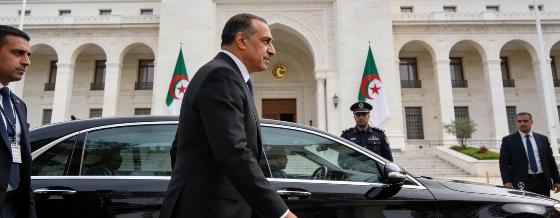
Algeria has expelled the United Arab Emirates ambassador and cut official ties with Abu Dhabi, marking its sharpest diplomatic move in years. The Algerian Ministry of Foreign Affairs accused the UAE of "provocative and hostile" actions, saying all efforts to preserve the relationship had failed. APS, Algeria's state news agency, reported the decision was formally announced on 10 September 2026, with the ambassador given 48 hours to leave Algiers, following standard diplomatic protocol.
The government did not specify what triggered the expulsion, but the context is clear: tensions over Israel, Western Sahara, and regional influence have been building for years. Algeria and the UAE established diplomatic relations in 1976, five years after the UAE was founded, opening a new chapter in Maghreb-Gulf ties.
Fault lines over Israel and Western Sahara
Algeria has consistently refused to normalize relations with Israel, a position that hardened after the UAE signed the Abraham Accords in 2020. President Abdelmadjid Tebboune has repeatedly said Algeria will not recognize Israel before a Palestinian state is created, a stance echoed in official statements from the presidency and foreign ministry. In Algiers, the UAE's relationship with Israel is seen as a direct challenge to Algeria's regional vision and security priorities, a view widely reported by APS and regional analysts.
The split also centers on Western Sahara. Algeria supports the Polisario Front's push for independence, while the UAE backs Morocco's claim to the territory. This disagreement has deepened the rivalry, with both countries competing for influence across the Maghreb and the Sahel. Algeria sees Emirati support for Morocco as a threat to its interests and to the regional balance of power, a perspective also noted by the Moroccan news agency MAP in its coverage of Maghreb diplomacy.
Escalating actions and diplomatic fallout
The breakdown has been gradual. In February, Algeria began ending its air services agreement with the UAE, a deal signed in 2013. No official reason was given, but the move was widely seen as a warning. Emirates said it would keep flying to Algiers until February 2027, but the direction was clear. According to The Express Tribune, Algeria later closed its airspace to UAE-registered civilian and military aircraft from midnight on 11 September 2026, with Emirates commercial flights allowed until the end of the year.
President Tebboune's public comments in late 2025 made the rift plain. He spoke warmly of ties with Saudi Arabia, Kuwait, Oman, and Qatar, but left out the UAE, accusing it of interfering in Algeria's internal affairs and trying to destabilize the country. According to Al Mayadeen, Algerian officials have grown more concerned about Abu Dhabi's regional activities, including its contacts with groups Algeria labels as terrorist organizations. The UAE's foreign ministry responded with a statement expressing hope that Algeria's decision would be temporary and saying it would not affect Algerians living in or visiting the UAE, as reported by The National, a UAE news outlet.
These tensions come as alliances shift and outside competition grows. The Sahel, already unsettled by coups and insurgencies, has become another front in the Algerian-Emirati rivalry. Algeria is intent on defending its sphere of influence, while the UAE has expanded its partnerships across Africa, West Asia, and Europe. Observers from the African Union and the UN Economic Commission for Africa have warned that such diplomatic breaks could undermine security and economic cooperation in the Maghreb and Sahel.
Strategic stakes and regional consequences
This is more than a dispute between two countries. Algeria is drawing a line on what it sees as unacceptable interference and adjusting its foreign policy to confront perceived threats. The move also shows the limits of Gulf influence in North Africa, where local governments are increasingly willing to push back. For Morocco, UAE support on Western Sahara remains valuable, but the fallout with Algeria risks deepening divisions in the Maghreb. The Sahel, already a contested region, now faces another layer of competition as Algeria and the UAE pursue different agendas. The effects will be felt in security cooperation, economic ties, and the broader network of alliances from the Mediterranean to the Sahara.
Algeria's assertiveness goes beyond the Gulf. As reported earlier, Algiers is also seeking new economic and strategic partners outside its traditional alliances. The break with the UAE is a warning to other outside actors: Algeria will not accept what it sees as threats to its sovereignty or security. The foreign ministry has repeated this position in recent statements, stressing Algeria's commitment to regional stability and its readiness to defend its independence.
The UAE has not yet announced a reciprocal break. But the silence is telling. The UAE's approach of building influence through economic and political partnerships meets resistance when states insist on their autonomy. Algeria's decision is a clear message that Gulf leverage in North Africa has limits, at least with Algiers. The region's power dynamics have shifted, and every country with interests in the Maghreb and Sahel will have to adjust.