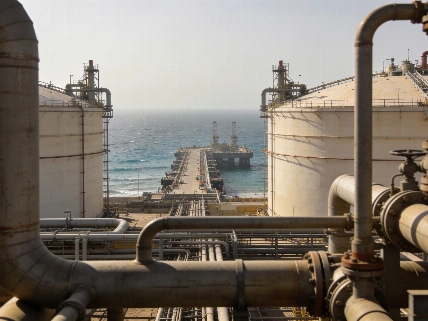

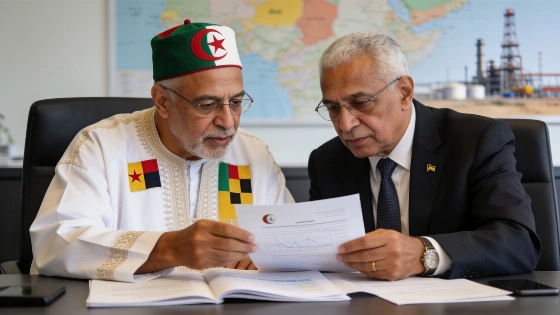
Algeria and Chad have initiated a targeted mission to deepen collaboration in hydrocarbons, signaling a calculated move to strengthen economic ties and leverage shared energy interests across North Africa and the Sahel.
Algeria and Chad are not waiting for external partners to dictate the pace of regional energy integration. This week, both governments launched a direct mission to intensify cooperation in the hydrocarbons sector, betting that joint action will yield tangible economic leverage for two of the Sahel's most strategically positioned states.
The move is more than a diplomatic gesture. By focusing on hydrocarbons, Algeria and Chad are targeting the core of their export economies, seeking to convert resource potential into concrete development gains. The mission is designed to identify actionable projects and new frameworks for collaboration, with both sides openly committed to deepening their partnership beyond rhetoric.
Strategic context and regional stakes
Hydrocarbons remain the backbone of Algeria's economy and a critical revenue source for Chad. The timing of this initiative is no accident: as global energy markets shift and regional players compete for investment, both countries are under pressure to secure new growth channels. The mission's agenda includes exploring joint ventures, technology transfer, and coordinated policy approaches-areas where previous efforts have often stalled due to fragmented interests or lack of political will.
Regional observers will recall that resource-driven partnerships have become a flashpoint in North Africa and the Sahel, as highlighted in a reported earlier on Western Sahara's contested economic transformation. Algeria and Chad's current alignment signals a deliberate attempt to avoid the pitfalls of unilateral development and instead pursue mutual benefit.
Operational priorities and next steps
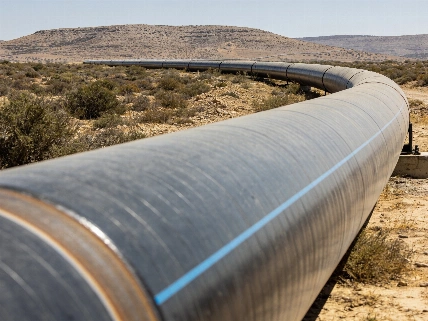
Officials from both countries have outlined a clear mandate: move beyond declarations and deliver practical outcomes. This includes mapping out shared infrastructure needs, harmonizing regulatory frameworks, and identifying priority investment areas within the hydrocarbons value chain. The mission's success will depend on the ability to translate political intent into operational agreements-something that has eluded many regional initiatives in the past.
For Algeria, the partnership offers a chance to reinforce its influence in the Sahel and diversify its economic alliances. For Chad, deeper cooperation with a heavyweight like Algeria could unlock access to technical expertise and new export routes. The stakes are high, and neither side can afford another round of empty promises.
Algeria and Chad's hydrocarbons mission is a calculated test of whether regional actors can set their own agenda in a sector long shaped by external interests. If the mission produces real projects and binding agreements, it will mark a rare example of North African and Sahelian states leveraging their own resources for shared gain. If not, it risks joining the long list of well-intentioned but ultimately inconsequential regional initiatives. The next months will reveal whether this partnership is substance or show.