
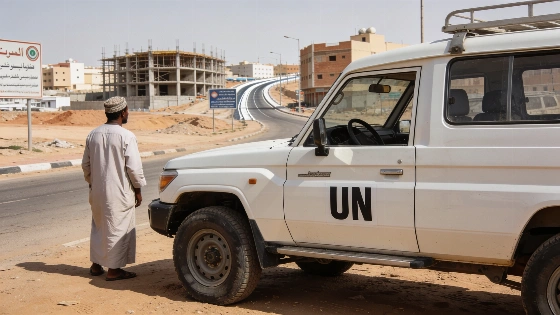
Western Sahara Resource Watch is urging the UN to intervene as Morocco's exploitation of Western Sahara's fisheries, phosphates and renewables accelerates, warning that unchecked economic development risks locking in realities before self-determination is achieved.
Morocco's rapid expansion of fisheries, phosphate mining and renewable energy projects in Western Sahara is creating economic dependencies and infrastructure that risk predetermining the territory's future-before its people have exercised their right to self-determination. This is the warning Western Sahara Resource Watch (WSRW) has delivered directly to the UN Secretary-General and Security Council, demanding urgent action to prevent resource exploitation from becoming an irreversible obstacle to a lawful settlement.
WSRW's intervention comes as the UN prepares its next report on Western Sahara and the Security Council considers the renewal of the MINURSO mandate. The group's letter, sent ahead of these milestones, insists that the question of natural resources must be integrated into the UN's political process, not left as a side issue while the economic landscape is transformed on the ground.
Resource extraction outpaces political process
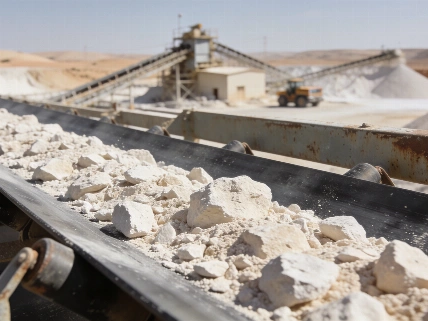
Concrete figures illustrate the scale of the shift. In 2024, the waters off Western Sahara accounted for over 73% of Morocco's coastal and artisanal fish catch by quantity and 61.5% by value. Phosphate exports from the territory hit 2.02 million tonnes in 2025-the highest annual volume recorded by WSRW since 2014. Meanwhile, large-scale agricultural projects and renewable energy installations, including green hydrogen initiatives, are being built to serve long-term commercial interests, embedding new infrastructure and economic ties that will be difficult to unwind.
"How can the political process remain meaningful if the economic and physical realities on the ground continue to be altered in ways that may be difficult to reverse before the people of the Territory have exercised their right to self-determination?" WSRW asks in its letter. The group argues that every year of unchecked development increases the risk that a future settlement will be forced to accommodate facts created while the UN process remains stalled.
Escrow mechanism proposed to safeguard resource value
To prevent resource revenues from cementing the status quo, WSRW proposes a practical solution: all income generated from Western Sahara's natural resources should be placed in a transparent, separately administered escrow or trust mechanism until a lawful settlement is reached. This approach, the group argues, would avoid prejudging the territory's final status or the rightful recipient of proceeds, while ensuring that the value of these resources is preserved for the people of Western Sahara.
WSRW is also calling for systematic UN reporting on the scale, ownership, destination and value of all resource-related activities in the territory, and for the Office of the UN High Commissioner for Human Rights to gain access-something still denied. The group's full letter, detailing its demands and evidence, is available here.
Economic transformation risks narrowing future options
For Western Sahara, the stakes are not theoretical. The territory's economic transformation is already underway, with infrastructure and commercial interests multiplying even as its decolonisation remains unresolved. The longer this process continues without the explicit consent of the Sahrawi people, the more likely it becomes that any eventual settlement will be forced to accept economic and physical realities created in their absence.
Allowing resource exploitation to proceed unchecked is not a neutral act-it is a political choice that risks substituting economic development for a genuine resolution of Western Sahara's status. The UN cannot afford to let the facts on the ground dictate the outcome. If the international community is serious about self-determination, it must act now to ensure that the territory's resources are preserved for its people, not used to entrench a settlement that was never theirs to choose.