
At the UN crime-prevention congress in Abu Dhabi, Morocco urged African states to build sustained operational cooperation against terrorism and organized crime across the Sahel and Sahara.
The 15th United Nations Congress on Crime Prevention and Criminal Justice ran in Abu Dhabi from September 26 to October 1, 2026. At a high-level meeting on the CONNECT Initiative, Morocco urged African states to turn political commitments into practical cooperation against terrorism, organized crime and separatist movements. The Abu Dhabi Media Office confirmed the emirate hosted the congress, which brought national and international delegations together to discuss crime prevention and justice cooperation.
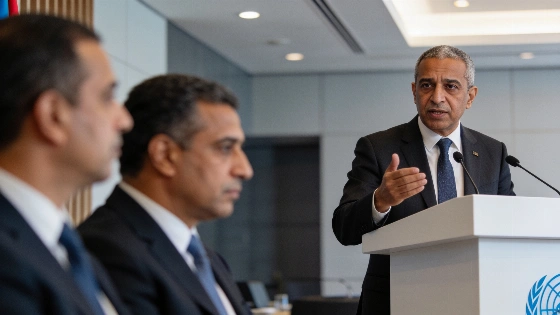
Azzeddine Farhane, Morocco's Ambassador and Permanent Representative to the United Nations Office and international organizations in Vienna, said CONNECT will be judged by whether it builds trust between services and delivers results on the ground. The United Nations Office on Drugs and Crime supports the initiative. It aims to strengthen operational coordination, particularly in West Africa and the Sahel, against linked threats from crime and terrorism.
The meeting was also part of a wider push to put the congress's political framework into practice. The Abu Dhabi Declaration set a five-year framework for international cooperation. The UN also introduced time-bound pledges to encourage states to set concrete deadlines for implementation. WAM, the Emirates News Agency, reported the declaration's adoption as the congress concluded.
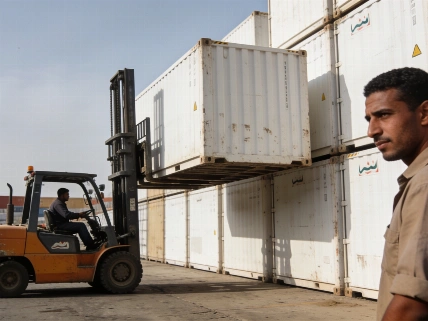
Farhane said lasting security cannot rely on security measures alone. He called for policies that put people first, make prevention a foundation and build trust through cooperation. He urged services dealing with cross-border threats to move beyond ad hoc exchanges and build lasting institutional ties. That matters across the Sahel and Sahara, where transport and trade routes depend on cross-border movement. Effective coordination can help protect lawful movement. It cannot replace inclusive development or accountable institutions.
More work is needed. Farhane called for more training, practitioner exchanges and capacity-building, along with better coordination among national, regional and international institutions. Permanent networks of trust would help services anticipate, prevent and respond to threats. Information-sharing alone is not enough. The African Union joined national delegations at the meeting, showing the continental reach of the work.
Farhane set out a clear sequence: political commitment must build operational trust, trust must lead to cooperation, and cooperation must deliver concrete results. Morocco has presented South-South cooperation as a pillar of its foreign policy. Its state-led diplomatic posture was also examined in an earlier foreign-policy analysis. This intervention focused on security coordination in the Sahel and Sahara.
Farhane said CONNECT must fit African and national contexts to remain effective and sustainable. He called for partnerships shaped by priorities set by African countries. International cooperation, he said, should respond to regional needs and strengthen national and regional capacity. He named ownership, partnership and cooperation as core principles. He also urged a shift from national commitments to collective action, and from assistance to solutions developed jointly.
The meeting focused on moving CONNECT's West Africa and Sahel component from political commitments to implementation and operational measures. Ambassadors represented Burkina Faso, Egypt, Ghana and Morocco. The ambassadors of the European Union and Japan also attended, as did Italy's ambassador to Vienna. Senior officials from Nigeria and the African Union were there as well.
Coordination is not enough by itself. Morocco's intervention set a clear test for CONNECT: it must build lasting working relationships and lead to action on the ground. The measure of success for its West Africa and Sahel chapter will be whether African-led priorities become sustained operational cooperation against cross-border threats.