
DHL has placed Morocco in its Geographic Tailwinds priority-market group as nearshoring and investment reshape trade routes. The move recognizes the country's logistics role but does not announce new facilities or spending.
At Tangier Logistics Days 2026, DHL Group added Morocco to its Geographic Tailwinds priority markets. The move reflects demand for more resilient, regionally diversified supply chains across Europe and Africa. It is a strategic classification, not an investment package. No package was announced.
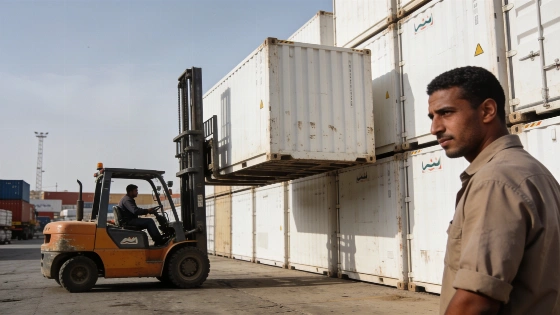
Morocco links Europe and Africa. Its port infrastructure, including Tanger Med, and its established automotive and aerospace industries support its role as a logistics and manufacturing platform. Growing investment flows and nearshoring momentum also shaped the designation.
The industrial case extends to life sciences, healthcare, and food and agriculture. European companies are seeking to diversify suppliers and reduce reliance on concentrated supply chains. That has strengthened the case for nearshoring in North Africa. A recent regional analysis by Diplomacy News identifies Morocco as a leading potential beneficiary. Intra-regional trade accounts for less than 5% of North Africa's total trade. Below 5%. The figure points to limited economic integration and the importance of trade corridors beyond the region.
DHL says it has operated in Morocco for nearly 40 years. More than 400 people work for the company in the Kingdom. Its local services include air and ocean freight forwarding, express delivery, and contract logistics.
Mary Oxley, Vice President Marketing & Sales for DHL Global Forwarding Middle East & Africa, said the designation reflects Morocco's growing importance to global trade, investment, and supply-chain diversification. Her comments describe DHL's view of market conditions. They do not commit the company to new facilities or spending.
A recent U.S. investment-climate report cited Morocco's trade access and infrastructure as attractions for foreign capital. It also noted gaps in screening for critical sectors. An earlier assessment summarized those findings. Investor interest is not the same as a confirmed investment commitment.
For regional policy context, Morocco's official news agency MAP reporting and Algeria's APS offer national perspectives on developments in the Maghreb. The UN Economic Commission for Africa works on regional economic integration. Those perspectives are separate from DHL's corporate market classification. The designation does not signal a bilateral agreement or a public-sector investment decision.
DHL's designation puts Morocco on the map for global logistics. Its practical significance will depend on future operational decisions and investment. For now, the announcement recognizes the country's existing logistics network and industrial base. DHL has not committed to new facilities or spending.