
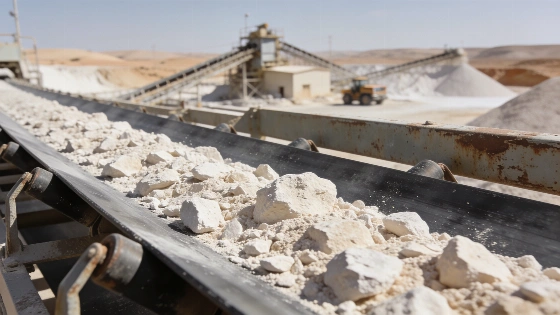
CPG and GCT are preparing a 2.7 billion-dinar plan to raise commercial phosphate output to 9.4 million tons by 2035. Production has been depressed for years, and transport problems, water shortages and company finances remain major constraints.
Tunisia's national phosphate production reached 8.13 million tons in 2010. By 2019, it had fallen to 3.88 million tons, according to figures attributed to the Ministry of Energy and Mines.
The Gafsa Phosphate Company (CPG) and Tunisian Chemical Group (GCT) are preparing a development plan to lift commercial production to 9.4 million tons. The investment is estimated at 2.7 billion dinars. No increase yet. The plan is a long-term target, not a delivered gain. It depends on solving operational and financing problems.
Commercial output by CPG has averaged about 3.2 million to 3.4 million tons a year over the past decade. The companies expect production to reach 4.5 million tons in 2026 and 5 million in 2028. Separately, regional reporting puts Tunisia's 2023 production at about 3.2 million tons and describes roughly 5 million tons as a government goal. Those figures differ from the companies' longer-term 9.4 million-ton plan. They also remain below the 2010 peak.
Independent reporting has linked weak output to repeated protests and strikes, along with years of underinvestment. The gap remains.
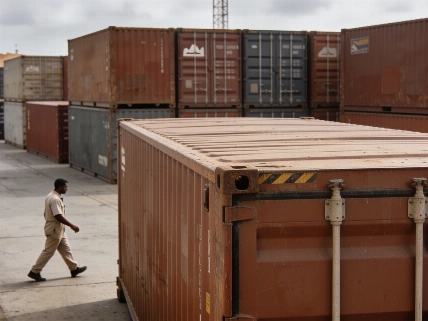
The companies have identified transport problems, a shortage of water for phosphate washing and financial constraints as barriers. GCT also faces falling activity at its production units, cash-flow pressure and aging equipment. Its restructuring programme puts facility maintenance first. It also prioritises securing supplies and speeding up the Mdhilla 2 project.
Sector reporting has also highlighted refurbishment of the Triple Super Phosphate unit at M'Dhilla 1. Restoring existing processing capacity matters alongside plans to expand output. The barriers are concrete.
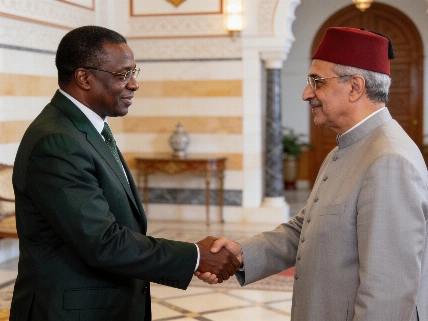
At the Egyptian Mining Forum on September 28 and 29, 2026, Tunisia's Minister of Equipment and Housing, Salah Zouari, said the country aims to restore its role in the global phosphate industry. He is also overseeing the Industry, Mines and Energy portfolio. Zouari cited exploration, mining development, investment incentives and digital geological data to help Tunisian and foreign investors assess opportunities.
Zouari called for stronger public-private cooperation and the exchange of expertise among African and Arab countries, particularly in processing and refining. The focus on regional coordination is consistent with official economic coverage from Tunisia's state news agency, TAP. Tunisia's phosphate ambitions also sit alongside the diplomatic context of its UN appeal. The production plan still depends on improvements at home.
The test is execution. Without progress on transport, water access, equipment and company finances, the 2035 figure remains a target on paper, not proof that Tunisia has regained global leadership.