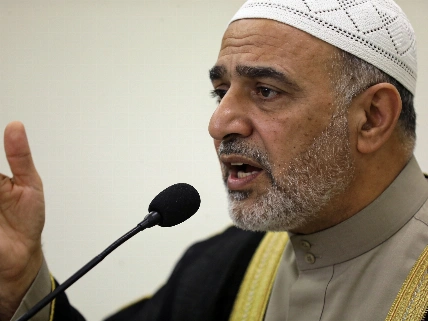
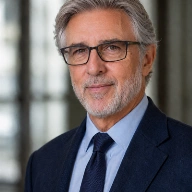
Sheikh Sadig al-Ghariani, the Western-based Grand Mufti of Libya, has publicly criticised the Tripoli government for neglecting essential services, highlighting worsening shortages of water, fuel, and cash, and warning of growing social inequality.
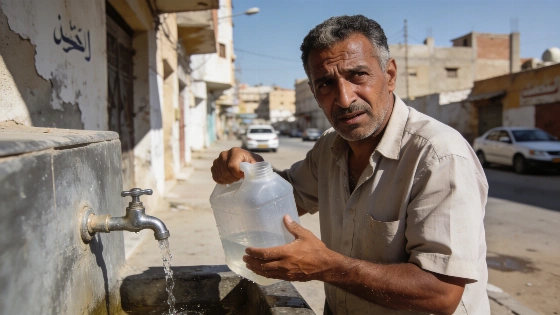
The Western-based Grand Mufti of Libya, Sheikh Sadig al-Ghariani, has issued a strong public rebuke of the Tripoli-based government, accusing it of failing to provide basic necessities to citizens during the summer. Al-Ghariani highlighted the population's struggle to access water, fuel, and cash, attributing these hardships to government negligence and a lack of effective governance.
He stated that the consequences of this neglect are visible in persistent power outages, cash shortages, and what he described as violations of God's laws. According to al-Ghariani, these failures have created conditions of injustice that threaten the sustainability of daily life for many Libyans.
Government priorities questioned amid economic hardship
Al-Ghariani further criticised the government's focus on non-essential activities, such as allocating budgets for international sporting events, opening malls, and organising rallies, while basic needs remain unmet. He argued that such distractions divert resources and attention from urgent issues, especially as inflation erodes purchasing power and many Libyans struggle to afford basic medicines and daily expenses.
He cited the example of retirees receiving 900 dinars per month, questioning how they can survive under current economic pressures. Al-Ghariani called on the government to address the widening gap between social classes, warning that unchecked inequality constitutes a serious injustice.
Implications for governance and social stability
The Grand Mufti's intervention underscores mounting public frustration with the Tripoli government's performance and highlights the risk of further social discontent if essential services are not restored. The criticism comes at a time when Libya's institutional fragmentation and economic challenges continue to undermine state capacity and public trust.
Observers will be watching for any policy response from the Tripoli authorities and whether the government will take concrete steps to address the grievances raised by al-Ghariani and other community leaders.