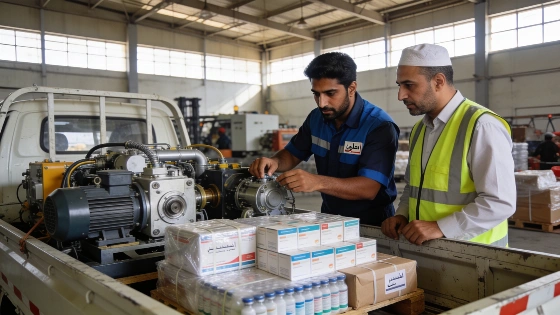
Indian exports to Algeria are reaching beyond traditional goods, led by engineering and pharmaceutical products, alongside agri-food. The shift is opening commercial opportunities for Indian businesses seeking a foothold in North Africa's developing markets.
Indian exporters are moving beyond the traditional playbook in Algeria. The country's export profile is changing as Indian companies expand into engineering and pharmaceuticals, while processed foods, once peripheral to bilateral trade, are also gaining ground.
What's driving this shift? The Department of Commerce points to a surge in Algerian demand for machinery and electrical equipment, alongside automobiles and pharmaceutical products. Indian manufacturers are drawing on cost advantages and production scale to push into these higher-value segments and compete for market share with established European and Chinese players.
Engineering and Manufacturing Take Center Stage
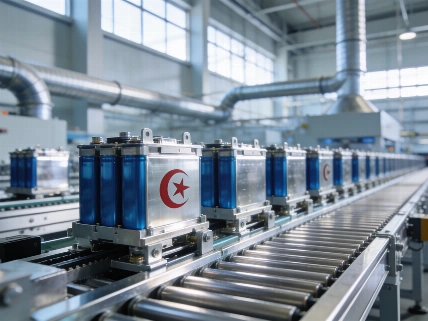
Engineering goods and manufactured products have become the new focus of India's export strategy in Algeria. Indian firms are supplying machinery and electrical equipment, with automotive components also part of the push, as Algeria seeks to modernise its infrastructure and diversify its industrial base. This is no marginal uptick: these sectors are now among the fastest-growing in India's Algerian export basket.
Pharmaceuticals are also gaining ground. Indian drugmakers, already known globally for affordable generics, are positioning themselves as reliable partners for Algeria's healthcare sector. As Algeria seeks to widen access to quality medicines, Indian pharmaceutical exports are set to play a larger part in the country's health system.
Agri-Food and Processed Products Expand Reach
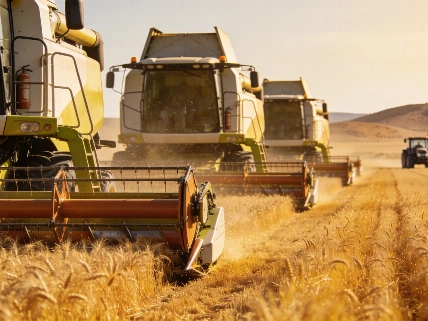
Manufactured goods are surging, while India's agri-food exports remain a pillar of the trade relationship. Indian exporters are moving beyond bulk commodities to target processed foods and value-added agricultural products that meet Algeria's changing consumer preferences and industrial needs. This diversification gives Indian firms access to a wider range of Algerian buyers, including food processors and retail chains.
Algeria's geographic position in North Africa gives Indian companies a strategic advantage. A stronger presence there could help Indian exporters reach other regional markets. The approach echoes developments in Libya, where, as reported earlier, targeted B2B initiatives are reshaping trade with European partners.
Commercial Consequences and Regional Outlook
India's broader export basket reflects a calculated effort to reduce reliance on a narrow range of products and build ability to recover against market shocks. For Indian businesses, the message is clear: Algeria is no longer a market for just rice and tea. Opportunities now extend to advanced manufacturing and pharmaceuticals, as well as processed foods, with potential for long-term commercial partnerships and regional expansion.
India's developing trade relationship with Algeria signals a new phase in North Africa's commercial field. Indian firms that adapt quickly and invest in local partnerships, while meeting Algeria's rising standards, stand to benefit. Exporters clinging to outdated models risk losing ground as the region's demands change. For Indian industry, the chance is real, but so is the competition. Firms willing to innovate and commit to the Algerian market are best placed to secure a lasting foothold as North Africa's markets grow.