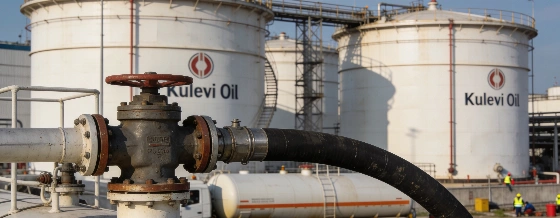
Georgia's Kulevi oil refinery has received its first shipment of Libyan oil after halting Russian crude imports in response to EU sanctions. The move marks a shift in supply strategy, with the refinery now sourcing oil from Kazakhstan and Libya.
The Kulevi oil refinery in Georgia has received its first batch of Libyan oil, following a decision to stop processing Russian crude due to European Union sanctions. The shipment arrived on 28 August, marking a significant change in the refinery's sourcing strategy as it adapts to new regulatory pressures.
According to reports from Russia's TASS news agency and Libya Herald, the refinery's owner, Black Sea Petroleum (BSP), had announced in late July that it would cease processing Russian oil from August. BSP indicated it would instead import oil from Kazakhstan and Libya to maintain operations and comply with evolving EU restrictions.
EU Sanctions Drive Supply Shift
The Kulevi oil refinery was included in the European Union's 21st package of anti-Russian sanctions, which target facilities continuing to process Russian oil. Under the current framework, these sanctions are set to take effect on 25 January 2027 if the refinery does not fully transition away from Russian crude. The arrival of Libyan oil is a direct response to these measures, as the refinery seeks to secure alternative sources and avoid future penalties.
Implications for Regional Oil Trade
The switch to Libyan and Kazakh oil highlights the broader impact of EU sanctions on regional energy flows and trade relationships. For Libya, the development opens a new export channel to the Black Sea region, while for Georgia, it ensures continued refinery operations amid shifting geopolitical and regulatory dynamics. The situation will be closely watched as the refinery adjusts its supply chain and as EU sanctions deadlines approach.