
Messina Line will launch a new West Med Line in September, merging its Algeria and Libya routes to improve cargo transit times and strengthen shipping connectivity across the Western Mediterranean.
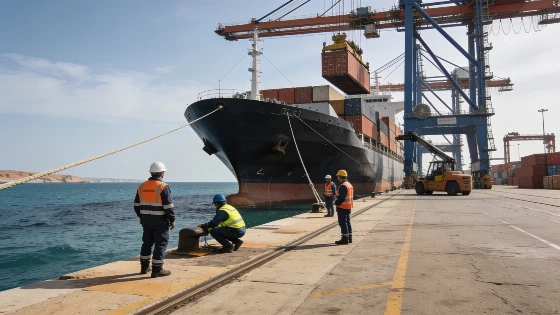
Italy's Messina Line has announced it will launch a new West Med Line in September, consolidating its existing Algeria and Libya shipping services into a single integrated network. The move is designed to enhance transit times for cargo moving through the Western Mediterranean and to provide more frequent and reliable connections between key regional ports.
The new service follows the recent introduction of Messina Line's Red Sea Express Line, which links Nhava Sheva, Sohar, and Jeddah on a 20-day rotation. The West Med Line will operate alongside the company's established Jolly Line, with dedicated vessels assigned to each route.
Expanded Network and Service Frequency
The West Med Line will offer regular departures from Spain and France approximately every 10 days, connecting Castellon, Barcelona, Fos, Genoa, Misurata, Tripoli, and Algiers. The standard rotation is set as Castellon - Barcelona - Fos - Genoa - Misurata - Tripoli - Misurata - Algiers - Castellon. The first sailing, operated by m/v Libertas H on voyage 298, is scheduled to depart Castellon on 6 September, with a second voyage by m/v Pacific Dalian planned for 17 September.
According to Messina Line, the integration aims to improve transit times for cargo originating over Suez, with enhanced connections via Misurata. The service will also provide direct and indirect links to Spanish, French, Libyan, and Algerian markets, including connections through Genoa.
Strategic Implications for Regional Trade
By merging its Algeria and Libya services, Messina Line seeks to respond to evolving market demands for more efficient and responsive shipping solutions in the Western Mediterranean. The company expects the new network to strengthen its regional presence and facilitate smoother cargo flows between North Africa and Southern Europe.
The development is likely to benefit exporters and importers in the region by reducing transit times and increasing the frequency of sailings. It also reflects ongoing efforts by shipping operators to adapt to shifting trade patterns and logistical requirements in the Mediterranean basin.
What to Watch Next
Stakeholders will be monitoring the operational performance of the new West Med Line following its September launch, as well as any further adjustments Messina Line may make to its regional network in response to market feedback and demand.