
Morocco has secured €405 million from the African Development Bank to extend its high-speed rail toward Marrakech and upgrade regular rail lines. The plan aims to connect 43 cities and bring rail access to 87% of the population by 2040.
Morocco's plan to overhaul its railways just got a major lift. On 17 September 2026, the country signed €405 million (about US$463.1 million) in financing deals with the African Development Bank at the Ministry of Economy and Finance in Rabat. Mohamed Rabie Khlie, head of the Office National des Chemins de Fer (ONCF), was among the top officials present. The Moroccan Ministry of Economy and Finance confirmed the agreements, and the Maghreb Arab Press (MAP) reported the details. This marks a big step in Morocco's push to modernize its transport network.
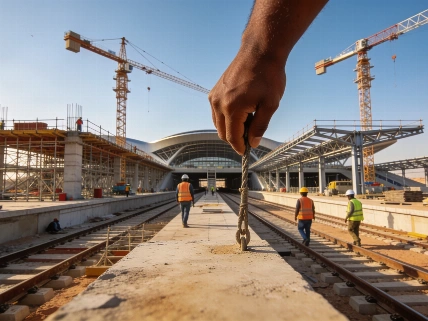
The new funding is split between two main projects. €205 million (about 2.24 billion dirhams) will go to the Railway Infrastructure Development Support Project (PADIF) for the Kenitra-Marrakech corridor. Another €200 million (about 2.18 billion dirhams) is set for the Cap-Compétences 2030 program, which focuses on training and building up skills in the transport sector. The goal is to extend Morocco's high-speed rail line south from Kenitra to Marrakech and to upgrade older rail lines. These moves could change how people and goods move across the country. International outlets like Reuters and regional sources such as Ecofin Agency have confirmed the structure and aims of the funding package.
Strategic vision for national coverage
The Morocco Rail Plan 2040 is about more than laying new tracks. The plan aims to connect 43 cities-up from 23 now-and bring 87% of the population within reach of rail, compared to just 51% today. The 430-kilometre Kenitra-Marrakech project is at the heart of this plan. ONCF calls it a key part of a 96 billion dirham (US$10.1 billion) national rail program. Out of this, 53 billion dirhams (US$5.6 billion) are set aside for infrastructure and equipment, 29 billion (US$3.04 billion) for buying 168 new trains, and 14 billion (US$1.5 billion) for keeping the current network running well. These figures come from the Ministry of Economy and Finance.
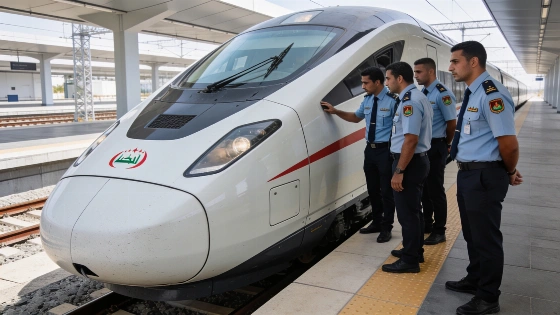
Extending the Al Boraq high-speed line, which has linked Tangier and Casablanca since 2018, down to Marrakech would turn a northern route into a true national network. This expansion should ease the load on regular lines. ONCF plans to run more frequent commuter trains in Casablanca, Rabat, and Marrakech, making urban and regional travel easier. The Moroccan government has highlighted the project in recent statements, and the African Union's infrastructure monitoring teams have tracked its progress.
Integration and connectivity upgrades
The Morocco Rail Plan 2040 also aims to tie different transport modes together. The plan calls for new multimodal hubs and a big jump in the number of ports and airports linked to the rail system. The target is to double the number of ports with rail links from six to twelve, and to boost airport connections from six to fifteen. This would help Morocco strengthen its role as a logistics and transport hub in the region. These goals fit with wider North African infrastructure trends, as tracked by the United Nations Economic Commission for Africa (UNECA) and regional transport ministries.
Morocco's rail push is happening as other countries in the region also move to reshape public services. As reported earlier by Maghreb Insider, Algeria has made big policy shifts in its own infrastructure and public services. Morocco's approach stands out for its focus on long-term network integration and reaching more of the population, rather than sudden changes. For more details on the official agreements and project breakdown, see the Ministry of Economy and Finance portal.
Financing and operational stakes
Morocco's rail ambitions are huge, and so are the challenges. The €405 million AfDB package is a big step, but it covers only part of what's needed. ONCF's plan to spend 29 billion dirhams on new trains shows a commitment to not just building tracks, but making sure the system can grow and stay reliable. Regional news agencies like Hespress English have described the agreements as part of a wider effort to modernize the network and bring high-speed rail to the south, in line with Morocco's promises under the African Union's Programme for Infrastructure Development in Africa (PIDA).
With the Kenitra-Marrakech high-speed extension and other upgrades now backed by new multilateral funding, Morocco is moving closer to its goal of near-universal rail access. The real challenge will be turning these plans and numbers into working trains, new hubs, and real improvements for millions of people. If Morocco keeps up the pace and meets its targets, it could set a new standard for infrastructure-driven growth and connectivity in the region.