

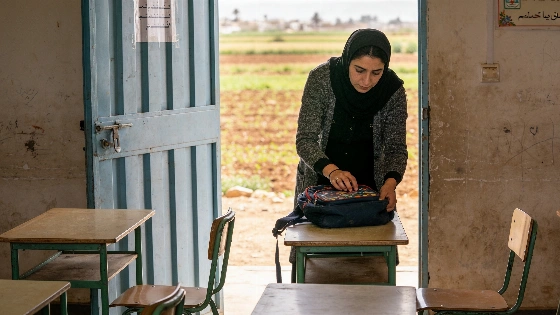
Families are to receive financial help from the day a child leaves work. ONDE says child labour has fallen by more than 80% since 1999, but rural prevalence remains 2.4%.
About 103,000 children aged 7 to 17 were working in Morocco in 2025, representing 1.3% of that age group. The child labour rate was 2.4% in rural areas, compared with 0.5% in cities, about 4.8 times higher. ONDE says child labour has declined by more than 80% since 1999. Princess Lalla Meryem, chair of ONDE, launched the National Mechanism for the Eradication of Child Labor, known as DNETE, in Rabat on October 16, 2026. Those figures were cited at the launch.
Morocco World News reported the launch and the HCP figures.
The National Observatory for the Rights of the Child, chaired by Princess Lalla Meryem, is leading the new mechanism. In a separate parliamentary address, Mohammed VI called for faster regional devolution and more private investment, as summarized in an earlier policy report.
Support begins when a child leaves work
DNETE is designed to guide each identified child out of work and back into education, while supporting social reintegration. It calls for an individual case file and tailored help for the child and family. Financial assistance for the household is to begin on the day the child leaves work.
The mechanism has two parts: ongoing monitoring and individualized intervention. Provincial Units for Combating Child Labor, known as CLTE, will identify vulnerable children and arrange their withdrawal from work. The units will coordinate their return to education. They operate under the Ministry of Economic Inclusion, Small Business, Employment, and Skills.
ONDE chairs the steering committee, while the employment ministry leads the technical committee. Provincial governors oversee local monitoring committees. Civil society associations take part under formal agreements. The mechanism aims to improve coordination among public institutions and participating associations, with support continuing from identification through reintegration.
Seventeen actors are part of the mechanism's support structure. Technical backing includes the Office of the Attorney General and the National Initiative for Human Development. The Ministry of National Education is also involved, along with the National Social Support Agency. UNICEF and the International Labor Organization provide further technical support.
Rollout will start with a pilot
The rollout starts with a localized pilot. ONDE will then evaluate the model and make adjustments before nationwide expansion. Aujourd'hui le Maroc reported that ONDE's accompanying priorities include prevention in schools and public awareness. The plan also calls for employer engagement. It includes advocacy and measurement of results.
The programme sets out five areas of action. One is prevention within schools. Public awareness campaigns will target the wider public, with local community leaders also in focus. The plan provides for employer engagement and accountability measures. Advocacy will continue, alongside dedicated monitoring of results.
Nationwide expansion is planned after the pilot evaluation and adjustments.







