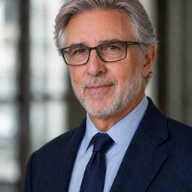

Ahmed Rahhou says the 2006 tariff grid no longer reflects physicians' qualifications. He proposes letting doctors set fees while making reimbursement and clinic standards easier to compare.
On October 14, 2026, a healthcare policy conference in Marrakech examined the pressures created by expanding mandatory health insurance, known as AMO. Ahmed Rahhou, head of Morocco's Competition Council, pointed to an information gap: patients may learn a clinic's prices and quality only after hospitalization. He said private providers had become essential to medical coverage and needed conditions that support investment and fair competition, as TelQuel reported.
Rahhou argues that a uniform tariff fails to reflect differences in physicians' qualifications. Morocco's national reference tariff grid dates to 2006 and has not been revised, he said. Actual fees have moved far from the official scale, a gap he says can encourage shadow payments and informal practices.
AMO reimbursements show how much private providers now handle. In 2025, they received 89% of covered medical-service expenses. Public institutions and non-profit funds received the remaining 11%. Hassan Boubrik, director-general of the National Social Security Fund, or CNSS, said reimbursements for medical services reached 23 billion Moroccan dirhams in 2025, up 17% from 2024. More than 32 million people were registered in AMO that year, about 88% of Morocco's population, compared with around 42% before coverage expanded. Boubrik called for faster updates to medical-procedure classifications. He also urged revisions to reimbursable-medicine lists and the national reference tariff grid, Finance News Hebdo reported.
Separating fees from reimbursement
Rahhou proposes fixing the amount the state or insurance system will reimburse while allowing physicians to set their own fees. Patients could see the state's contribution before choosing a provider, then compare the doctor's charge with the clinic's reputation. Rahhou told Hespress FR that the state should first define what it can reimburse. The proposal separates the amount paid by the patient or charged by the doctor from the amount covered by insurance. It does not set new fees.
Rahhou expects supply and demand, along with professional ethics, to shape prices. He points to private education, where he says artificial price caps can erode service quality. He also recognizes the risk of a "two-speed" medical system shaped by what patients can afford. In his view, clearer information would help people compare coverage and price, with clinic quality also made visible.
Making clinic standards visible
The proposal calls for public indicators on technical equipment and service standards. Rahhou suggested an approach resembling financial auditing: clinics would pay the controllers, while the state guaranteed the methods and standards they use. Those indicators would give patients information to compare providers before receiving care.
Morocco has also pursued healthcare coverage through initiatives such as medical caravan reporting, which described consultations and screening in Drâa-Tafilalet communities. Rahhou's proposal focuses on giving patients clearer information when they compare private providers.
The proposal remains a policy proposal, not an adopted reform, and no implementation date has been announced. Rahhou says the challenge is to reconcile access to care with cost control as the system changes. Private providers received 89% of AMO medical-service reimbursements in 2025.