
Morocco's economy grew 4% in Q2 2026, down from 5.8% a year earlier. Agriculture rose 21.2%, offsetting falls in mining and manufacturing. Bank Al-Maghrib and the EBRD have different forecasts for 2026 and 2027, as questions remain over how long the agricultural rebound can support growth.
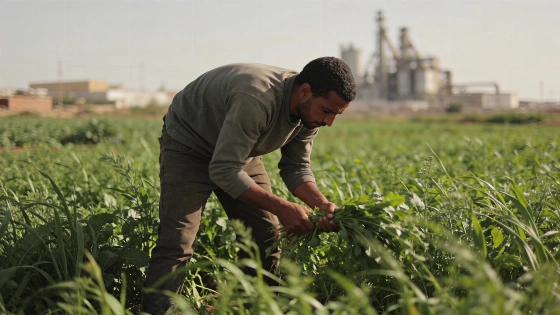
Agriculture's value added rose 21.2% in Morocco in Q2 2026. Non-agricultural growth, by contrast, slowed to 1.5% from 4.9%.
The High Commission for Planning (HCP) reported overall economic growth of 4% in the second quarter. A year earlier, growth was 5.8%. The gap is clear.
Agriculture led the primary sector. Fisheries also grew, by 15.9%, taking primary-sector growth to 20.9%. The HCP said domestic demand was the main driver of overall growth. It also cited controlled inflation and a worsening financing requirement for the national economy.
Industry moved the other way. Seasonally adjusted value added in the secondary sector fell 3.9%, compared with growth of 5.8% a year earlier. Mining and extractive industries contracted 28.6%, after rising 13.7% in the same quarter of 2025. Manufacturing fell 3.2%, following a 4.3% increase.
Construction still expanded, but its growth slowed to 2.8% from 7.6%. Electricity and water growth eased to 1.9% from 3.8%. The industrial picture was mixed, at best.
Services remained in positive territory. Tertiary-sector growth eased to 4% from 4.5%. At current prices, GDP rose 4.4%. The HCP said that pointed to a slowdown in the general price level to 0.4%.
Forecasts for the next two years differ. On September 23, Bank Al-Maghrib lowered its growth projections to 4.4% for 2026 and 2.9% for 2027. It linked the slowdown to the fading boost from the agricultural recovery.
The EBRD's regional outlook, published on September 29, projected growth of 4.8% in 2026 and 3.9% in 2027. The bank said a strong recovery in agricultural production after drought had improved its assessment. These are institutional forecasts, not HCP quarterly figures. Both point to the importance of what happens after the rebound.
Maghreb Insider's investment-climate assessment covered trade access and infrastructure, as well as the lack of screening for investment in critical industries. The latest figures offer another measure of the economy's uneven pace. Construction and utilities kept growing, but more slowly. Mining and manufacturing contracted.
Morocco's 4% growth masks a sharp split: agriculture surged as mining and manufacturing shrank. Bank Al-Maghrib's lower projection for 2027 and the EBRD's more optimistic estimate differ in scale. Both make the agricultural rebound central to the outlook. Sustained expansion will depend on activity beyond the primary sector regaining pace.