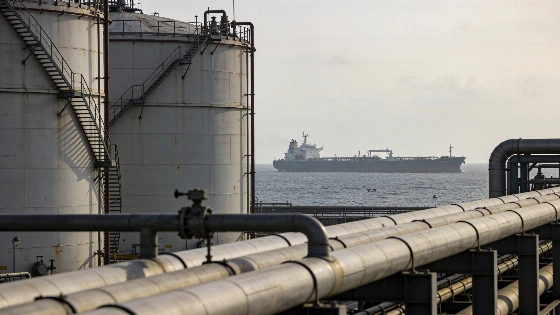
Islamabad has asked domestic refineries to assess Libyan crude imports as shipping risks sharpen. Libya says it will help facilitate talks with its national oil company, but no purchase deal has been announced.
At the 17th International Energy Forum Ministerial Meeting in Riyadh, Pakistan's petroleum minister held talks with Libya's oil and gas minister. Their governments agreed to strengthen energy cooperation, according to Radio Pakistan.
Pakistan has asked domestic refineries to assess possible Libyan crude imports. Libya has said it is ready to facilitate larger allocations by its national oil company to Pakistani buyers. No volumes have been confirmed. No prices or delivery dates have been announced, and there is no reported commercial agreement.
The diplomatic signal is clear; the commercial commitment has yet to appear.
Petroleum Minister Ali Pervaiz Malik said local refineries had been asked to examine the option. Libya's Oil and Gas Minister Khalifa Rajab Abdulsadek indicated a readiness to support greater supplies to Pakistani buyers, as Tribune Pakistan reported. Refiners and suppliers still need to match crude grades with plant requirements. They must also settle commercial terms, then work out shipping and timing.
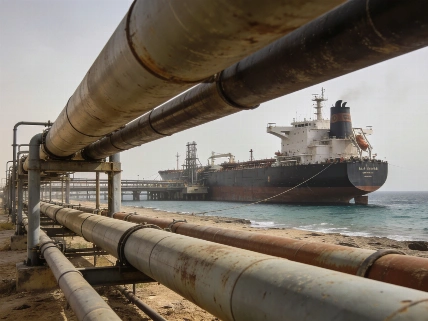
The talks covered oil and gas cooperation as Pakistan weighed risks to shipping through the Strait of Hormuz and the Bab al-Mandeb Strait. For Libya, the discussions could open a path to expand crude sales beyond established markets. Public announcements name no target volume or delivery route.
Libya has also expressed interest in Pakistan's experience modernising refineries. That could create a channel for technical cooperation alongside trade in raw materials. Radio Pakistan described the refinery discussions, but neither side has announced a project. No investment figure or upgrade timetable has been made public.
Pakistan's import exposure is concentrated among Gulf suppliers. The News International reported that in 2025 about 52% of Pakistan's oil imports came from the United Arab Emirates, while about 47% came from Saudi Arabia. Qatar supplied more than 90% of the country's imported LNG. A Libyan source could widen crude sourcing, though it would not remove regional shipping risks or guarantee replacement volumes.
Islamabad is pursuing a wider energy-security programme. It includes strategic oil reserves and bonded-storage facilities. The government is also seeking more domestic exploration and production, with investment planned for refineries and tank farms, according to Arab News Pakistan. Storage can buffer short interruptions. The impact of these measures will depend on implementation and financing, as well as whether infrastructure can handle the relevant crude grades.
At the Riyadh meetings, Pakistan also discussed possible LNG cooperation with Qatar's Energy Minister Saad Sherida Al-Kaabi. Available reports identify no signed contract and no additional agreed volumes.
A separate announcement concerned Türkiye. Its Energy Minister Alparslan Bayraktar said a seismic vessel operated by national oil company TPAO was planned to visit Pakistan the following month. The vessel is to collect geological data in the Indus Basin. The plan concerns exploration support; it does not confirm a discovery or a rise in production.
Libya's wider news profile has also featured security issues, including an earlier security report, separate from the energy talks.