A reported five-day workshop is intended to lay institutional groundwork as ministry engineers identify technical gaps and priorities. Its launch and any adopted code remain unconfirmed in the reviewed results.
No national building code is in force in Libya, and the reported work remains preparatory.
A five-day workshop is intended to bring ministry engineers together to identify what drafting will require. Independent confirmation of its launch was not available in the reviewed results. The Libyan News Agency's coverage did not confirm its completion or a government decision adopting building rules.
According to the announcement being reported, the Ministry of Housing and Reconstruction is working with the German Agency for International Cooperation, or GIZ, under the supervision of the Ministry of Planning. The stated aim is a framework to regulate construction and set technical requirements. It is also intended to support safer structures and better project execution. No independently verified details were available on proposed technical provisions or funding. The working-group membership and adoption timetable are also unconfirmed.
For a national code to guide projects, it would need to cover design and construction materials, as well as structural safety and oversight. It would also have to specify who applies and enforces the rules. Those questions matter for a country seeking to advance housing and infrastructure work. A shared standard can help, but implementation depends on institutions and inspection capacity. Procurement arrangements matter too.
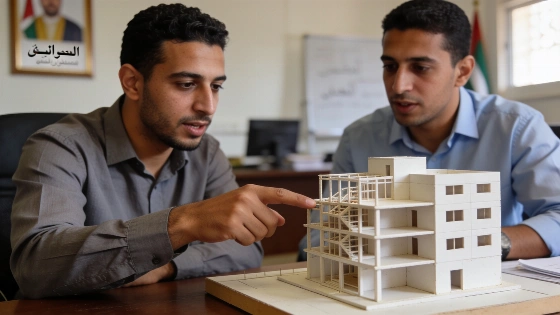
Participants from departments and offices within the housing ministry are reported to be discussing the code's purpose and core components. They are also considering the institutional arrangements needed to develop and adopt it, alongside the work required for implementation. The group is identifying existing gaps and priorities for drafting. Those choices will help determine whether the code becomes a usable standard.
The construction-sector effort adds to Libya's institutional planning agenda. A separate early-warning roadmap also set out preparatory work involving institutions and systems. The initiatives address different fields, but both put groundwork ahead of implementation. Public work by the African Union and the UN Economic Commission for Africa can inform discussion of infrastructure resilience and institutional capacity. No specific technical standard from either body has been identified as part of the Libyan initiative.
The workshop's five-day schedule gives participants a defined period to identify needs. The announcement sets no timetable for completing or adopting the code. Drafting, informed by the gaps and priorities raised during the sessions, is the next concrete step described. Reporting by Algeria's APS or Tunisia's TAP should not be treated as confirmation of a Libyan decision unless it documents one. No such regional confirmation is established here.
A separate regulatory distinction applies. Libya's Council of Ministers issued Resolution No. 600/2024 on 29 October 2024, replacing Resolution No. 563/2007 and updating rules for administrative contracts financed from the state budget, according to Libya Compliance. That measure concerns public procurement and contracts. It is not evidence that technical building requirements have been set or that a national construction code has been adopted.