Pakistan is weighing crude imports from Libya after Middle East shipping disruptions exposed its reliance on regional suppliers. Ministers agreed to deepen energy cooperation, but announced no contract or commercial terms.
At a meeting in Riyadh, Pakistan's petroleum minister urged domestic refineries to consider Libyan crude. No cargo has been secured.
Pakistan is exploring Libya as another possible source of crude after disruptions to Middle Eastern shipments exposed the risks of relying heavily on imported energy. The two governments agreed to strengthen energy cooperation, but announced no binding supply deal. The proposal remains a contingency for diversifying supply routes, rather than a confirmed replacement for existing imports.
Pakistan's Petroleum Minister Ali Pervaiz Malik met Libya's Minister of Oil and Gas Khalifa Rajab Abdulsadek at an energy gathering in Riyadh. Radio Pakistan reported that the ministers agreed on October 12, 2026, to deepen bilateral energy cooperation and facilitate crude imports. Malik said Islamabad was encouraging domestic refineries to consider Libyan crude. Abdulsadek said Libya was ready to help arrange supplies through its National Oil Corporation, or NOC, to Pakistani companies.
The ministers also discussed sharing technical expertise to modernise refineries. Libya wants to update its own refining capacity and expressed interest in Pakistani experience. The discussions have not become a published programme or investment agreement. Neither government disclosed import volumes. They gave no delivery schedule, and prices remain undisclosed. Any purchase would depend on whether Libyan crude suits Pakistani refineries and whether transport costs and prices make it viable.
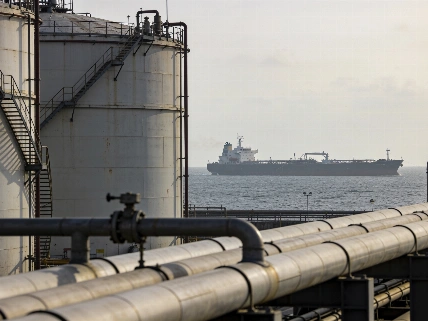
Pakistan relies on imported petroleum, particularly from Saudi Arabia and the United Arab Emirates. Disruptions around the Strait of Hormuz have pushed refiners to consider other suppliers. Officials have also identified the Bab el-Mandeb route as a point of exposure.
In August, Reuters reported that Cnergyico, Pakistan's largest oil refiner, was expanding US crude imports to reduce reliance on shipments passing through the Strait of Hormuz. The company imported 8.1 million barrels of US crude, worth about $750 million, in the financial year ending June 2026.
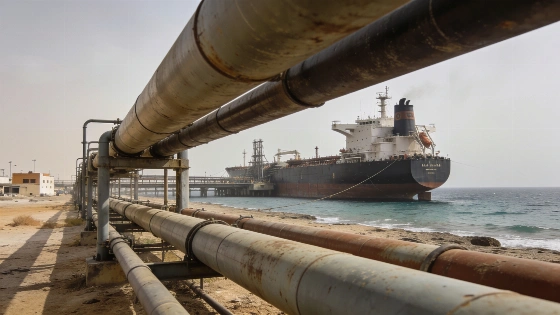
A Libyan supply would give Pakistan another option, while leaving it exposed to global prices and transport constraints. A cargo would still face a long sea journey to Pakistan. The available information does not specify its route or shipping arrangements.
Libyan output has recovered after years of political instability and interruptions tied to ageing infrastructure. The NOC reported crude production of 1.44 million barrels per day in June 2026, its highest level since 2013. Condensates brought total production close to 1.49 million barrels.
Output later fell. September production was reported at 40.231 million barrels, down from 43.306 million in August, a decline of about 7.1%. Average daily production dropped to roughly 1.34 million barrels from around 1.40 million. Exports reached 27.567 million barrels in September, compared with 27.642 million in August.
A separate monthly breakdown put deliveries to domestic refineries at 3.32 million barrels. It reported 6.03 million barrels available for export at the end of September. Libya's oil revenue transferred to its sovereign account rose to $2.86 billion in September from $2.56 billion in August. The country's broader oil and gas earnings are detailed in an earlier revenue report.
Libya has drawn buyers beyond its established European market. Nigeria imported about two million barrels in May. Egypt resumed purchases for the first time since 2019, taking around 57,000 barrels per day in February and 33,000 in April. Tunisia also increased imports.
In June, Italy imported 1.18 million tonnes of Libyan crude. Germany took 731,000 tonnes, while Spain imported 584,000 tonnes. Those figures show the reach of Libyan exports, but do not establish that any of those shipments could be redirected to Pakistan.
For Islamabad, Libya remains a potential source if refiners and suppliers settle on workable terms. Tripoli has a prospective market, not a confirmed customer. The governments have announced no contract or delivery schedule.