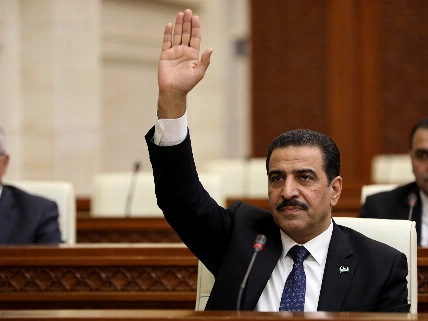

Libya's Ministry of Oil and Gas has disclosed that the country earned 15.2 billion dollars from oil and gas between January and August 2026. The figures reveal both the sector's dominance in state finances and the urgent need for infrastructure upgrades.
Libya's economy still runs almost entirely on oil and gas. From January to August 2026, the Ministry of Oil and Gas reported 15.2 billion dollars in revenue from the sector, a figure confirmed by the Central Bank of Libya and regional news agency TAP. This money is central to the country's public finances and foreign currency reserves.
Most of the revenue-nearly 12 billion dollars-came from crude oil exports. Taxes and royalties on oil operations added 2.4 billion dollars, while sales of natural gas, condensates, and petroleum products brought in another 900 million dollars. This heavy dependence on hydrocarbons leaves Libya's budget exposed to global price changes and production disruptions, a risk noted by the African Union's Economic Commission for Africa in its regional reports.
During the same period, the Central Bank reported total national revenues of about 98.9 billion Libyan dinars and expenditures of 68.6 billion dinars. Oil sales made up 80.8 billion dinars, with oil royalties contributing 15.3 billion dinars. However, foreign currency spending outpaced hydrocarbon earnings: external payments reached 20.1 billion dollars, leading to a foreign exchange deficit of nearly 4.9 billion dollars, according to official statistics.
Transparency drive and sectoral realities
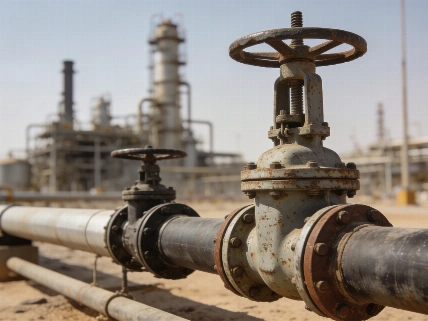
The Ministry's decision to publish detailed revenue figures is part of a broader effort to make the sector more transparent after years of secrecy and political interference. Officials say public disclosure is needed to rebuild trust and attract investment. But the numbers also point to a basic problem: Libya's energy infrastructure is old, and production is limited by outdated equipment and years of underinvestment. The Algerian Press Service notes that Algeria and Tunisia are facing similar issues and are moving to modernize their energy sectors to attract foreign investment and keep output steady.
Calls to upgrade Libya's oil sector are not new. As reported earlier, the industry remains vulnerable to political instability and divisions between rival groups, which can threaten both production and exports. Independent assessments put Libya's oil production in 2026 at around 1.4 million barrels per day, showing just how much the country still relies on hydrocarbons for its budget and foreign currency needs.
Winners, losers and the modernization imperative
For now, the government is the main beneficiary of oil and gas income, using it to pay salaries, fund subsidies, and provide basic services. But with little economic diversification, any drop in production or prices could quickly strain public finances. International partners and investors are watching, but most want to see stable rules and real infrastructure upgrades before committing money. The National Oil Corporation (NOC) has announced plans to raise natural gas output to 4 billion cubic feet per day within five years, after producing 77 billion cubic feet in August. Achieving this will require steady investment and political agreement.
Publishing oil and gas earnings is a step toward accountability, but the figures alone do not solve the sector's weaknesses. Without urgent investment in technology and infrastructure, Libya risks wasting its main source of income. Whether transparency leads to real change will depend on what policymakers do next.