Saudi mega-project spending is opening routes into local supply chains for smaller factories, but gaps in working capital and supplier qualification can block expansion. Aba Arrous and Al-Salloum point to tailored contracts and customer diversification.
The Public Investment Fund and its subsidiaries spent 207 billion riyals ($55.2 billion) on local content in 2024, according to fund governor Yasir Al-Rumayyan's announcement. Dr. Abdullah Al-Salloum told Asharq Al-Awsat that the figure covers local content broadly, not spending specifically on small and medium-sized enterprises or factories.
For smaller manufacturers, the spending points to potential demand. Turning that opportunity into stable growth depends on whether factories can cover costs before collecting payment and meet buyers' supplier requirements.
Large contracts can strain factory finances
Abdulaziz Aba Arrous, CEO of A&BC for Safety Tools and Materials Manufacturing, said factories often have to pay for raw materials and wages before they receive payment for a large order. That delay creates a financing gap. Expanding output can also require new equipment and qualified technical staff, while operating costs continue to mount.
Long-term contracts and regular payment can help factories plan capacity and use government support, Aba Arrous said. Intermittent orders leave manufacturers with less clarity about production needs and investment decisions.
Supplier registration can bring another hurdle. Aba Arrous said factories with quality products and adequate capacity may face lengthy qualification procedures, or receive orders with volumes and payment terms beyond their financial means. He called for initial contracts that match a factory's capabilities, with larger orders to follow successful delivery.
Qualification and finance shape access
Al-Salloum described financing and qualification as closely tied to production capacity. A factory may have a strong product but lack the experience a major buyer requires, or win work without enough liquidity to start production. In September 2026, the PIF announced the launch of Tawreed, which is intended to offer supply-chain finance, including early payment against approved invoices.
That mechanism could improve cash flow once invoices are approved, Al-Salloum said, but factories still need financing to buy materials and start work. He called for supplier standards and guarantee requirements to reflect each contract's size and risks, while giving smaller firms a chance to prove their performance through initial orders.
Separately, on 3 November 2026, PIF announced it had raised US$3 billion in SACE-backed credit facilities to strengthen cooperation with Italian businesses. A syndicate of 25 international banks arranged the financing. It comprises a US$1.78 billion tranche and a €1.035 billion green tranche, PIF announced.
The regional challenge of turning industrial plans into domestic production has also featured in coverage of Libyan investment plans. In Saudi Arabia, the discussion centres on supplier qualification and contract finance.
Local suppliers serve projects beyond manufacturing
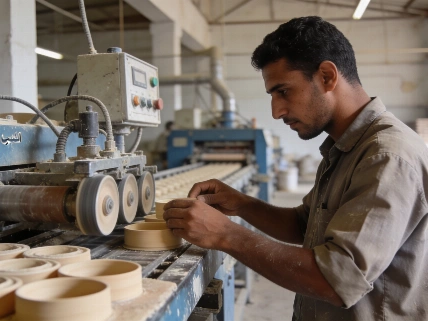
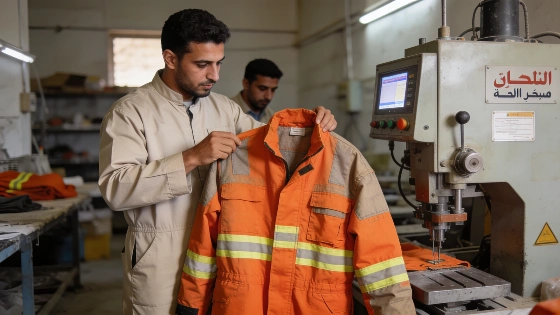
Small and medium-sized factories can supply metal products and electrical components. They also make safety equipment, packaging materials and custom products, Aba Arrous said. His company produces industrial safety goods, including protective clothing and cut-resistant gloves, with specifications shaped by workplace hazards.
Local suppliers can respond to changes in client needs and adjust quantities or product sizes, Aba Arrous said. That proximity can also support product development and ongoing customer relationships.
Al-Salloum said mega-projects can create work in transport and warehousing, as well as maintenance and engineering services. Recurring orders can put more of a factory's capacity to use. They spread fixed costs across more units and help build a track record for future business. He cautioned that reliance on one project or customer leaves firms exposed; a broader client base helps sustain jobs and production.