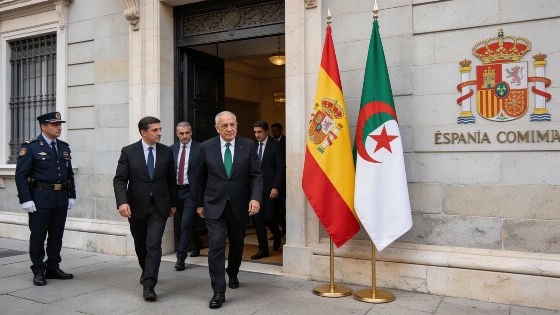
Algeria and Spain are preparing for a pivotal diplomatic reset, with President Abdelmadjid Tebboune expected in Madrid this October. Energy exports and migration controls are at stake as both sides seek to move past years of rupture.
Algeria's President Abdelmadjid Tebboune is now positioned to make his first state visit to Spain, a move that would mark the most significant diplomatic reset between Algiers and Madrid since their 2022 rupture. The prospect of Tebboune being received by King Felipe VI and Prime Minister Pedro Sánchez in Madrid this October signals a calculated effort to restore high-level dialogue after four years of suspended cooperation and commercial freeze.
While neither La Moncloa nor the Spanish Royal Household has formally confirmed the state-visit format, Spanish daily El Independiente reports that an invitation is on the table. What is officially locked in is the eighth High-Level Meeting between the two governments, scheduled for October-the first such summit since 2018. The stakes are high: energy security, migration management, and the unresolved Western Sahara dispute all hang in the balance.
Energy Leverage Returns to the Fore
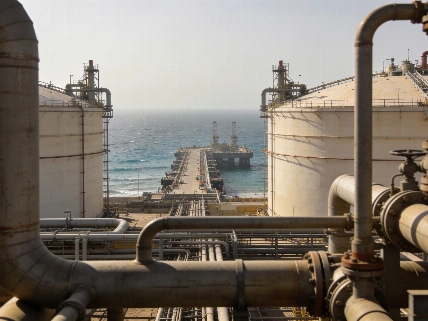
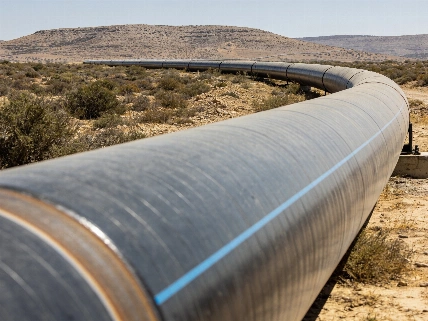
Algeria's role as Spain's top natural gas supplier has been emphatically restored since early 2026, according to Pedro Sánchez. During his July visit to Algiers, Sánchez was accompanied by executives from Naturgy, Repsol, Enagás, and Moeve, underlining the commercial weight behind the diplomatic choreography. Discussions focused on boosting Medgaz pipeline flows by up to 10% and potentially doubling LNG shipments by tanker. The energy calculus is clear: Spain's diversification away from Russian gas has made Algerian supply indispensable, while Algeria seeks to lock in European demand and pricing leverage.
Migration is the other urgent dossier. Frontex data cited by Spanish media in late August shows a 24% surge in irregular arrivals to Spain via Algeria. Both governments are under pressure to clamp down on smuggling networks and reinforce counterterrorism cooperation. The migration spike has direct political consequences in Madrid and Brussels, making bilateral coordination a non-negotiable priority.
Western Sahara and the Limits of Rapprochement
Despite the diplomatic thaw, the Western Sahara dispute remains a live fault line. Algeria froze the 2002 Treaty of Friendship and suspended trade after Spain backed Morocco's autonomy plan in 2022. Tebboune claims to have raised the issue with Sánchez in July, but the official Spanish readout omitted any mention of Western Sahara. Madrid's position remains unchanged, continuing to support Morocco's proposal-a stance that keeps Algerian trust at arm's length.
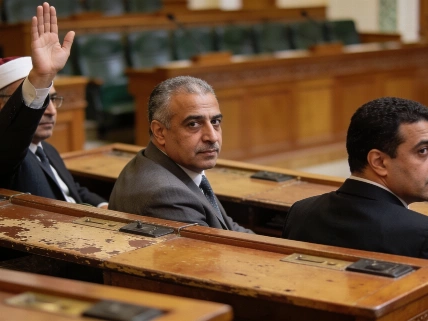
For context, the region's diplomatic and security environment remains volatile, as seen in recent reporting on Algeria's domestic institutional challenges. The current rapprochement with Spain is therefore not just about bilateral ties, but about recalibrating Algeria's external posture amid shifting regional alliances and energy market dynamics.
With the October summit approaching, the real test will be whether both sides can translate diplomatic symbolism into concrete agreements on gas, migration, and trade. If Tebboune's visit is elevated to a full state occasion, it will be a public signal that both governments are prepared to compartmentalize their differences over Western Sahara in favor of pragmatic cooperation. Yet, the underlying disputes remain unresolved, and any reset will be transactional, not transformational. For now, Algeria and Spain are betting that mutual interests in energy and border security outweigh the risks of another diplomatic freeze-but neither side is likely to forget the lessons of the past four years.