
Tunisia and the Council of Arab Interior Ministers have condemned recent Houthi drone and missile attacks on Saudi Arabia, including an attempted strike on Mecca. Their statements express support for Riyadh and concern for the security of Islamic holy sites.
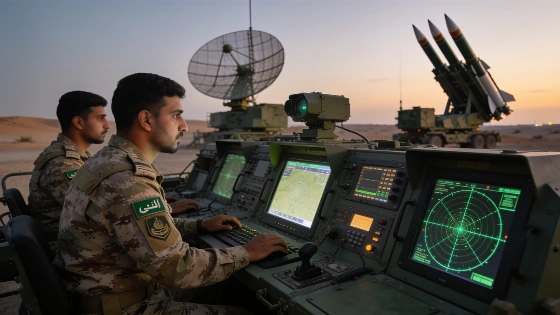
On 16 September 2026, Saudi Arabia's air defense systems intercepted Houthi drones targeting Mecca and other cities. The incident drew immediate condemnation from Tunisia and the General Secretariat of the Council of Arab Interior Ministers. According to Reuters, Saudi forces destroyed a drone south of Mecca before it entered restricted airspace. The Council described the attack as a violation of international law and the sanctity of the Grand Mosque, raising concerns about the security of Islamic holy sites (Reuters).
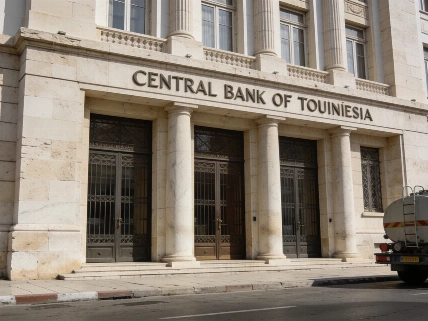
The Council's General Secretariat, based in Tunis, called the attack a provocation to Muslims worldwide and stated its support for Saudi Arabia's right to defend its territory and protect its citizens and residents. The statement emphasized that the Kingdom's security and sovereignty are not negotiable, and that regional partners would respond to any assault on its holy sites. The Council, which includes Algeria, Morocco, and Mauritania among its members, has a history of coordinating regional security efforts, as reported by the Algerian Press Service (APS).
Tunisia's response and call for restraint
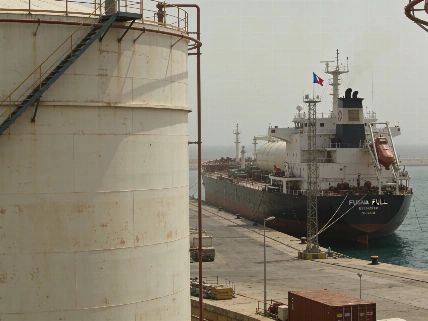
Tunisia's Ministry of Foreign Affairs, in a separate statement, condemned the attacks on Saudi cities as a "flagrant violation" of Saudi sovereignty and territorial integrity. Tunisia expressed full solidarity with Riyadh and supported all measures to protect Saudi security and stability, as well as the safety of maritime navigation. The ministry also called for dialogue and peaceful solutions, warning against actions that could escalate tensions or threaten regional peace. According to Tunis Afrique Presse (TAP), Tunisia's position reflects the broader Maghreb consensus on protecting Islamic holy sites and maintaining regional stability.
Saudi Civil Defense confirmed that one person was killed and two others, including a woman, were wounded by debris after Saudi forces intercepted a Houthi drone over Taif province. Earlier in the week, Saudi air defenses destroyed another drone launched south of Mecca, highlighting the ongoing threat from Houthi operations. These incidents follow a series of Houthi strikes on Saudi targets, including missile and drone launches at the Khamis Mushait airbase, as reported by regional news agencies and the Moroccan state news agency MAP.
Regional security and diplomatic impact
The coordinated response from Tunisia and the Council of Arab Interior Ministers shows a shared stance among Arab states on the protection of Saudi territory and the sanctity of Mecca. The attacks have reinforced the view that the security of Saudi Arabia's holy sites is a red line for the region, with implications for diplomatic and security cooperation. In recent years, Maghreb states have expanded security and intelligence-sharing with Gulf partners, as seen in joint communiqués and bilateral agreements published by the Moroccan Ministry of Foreign Affairs (Moroccan Ministry of Foreign Affairs).
This episode comes amid shifting alliances in Maghreb and Gulf relations, including Tunisia's recent regional positioning. The latest condemnations show how security threats in the Gulf affect North Africa, prompting governments to clarify their positions and reinforce regional solidarity. The African Union's Peace and Security Council has also called for collective action against threats to religious sites and civilian infrastructure in the MENA region.
With Saudi Arabia deploying advanced air defense systems to protect the Hajj and other events, the message from Tunis and the Arab Interior Ministers is clear: attacks on the Kingdom's territory and holy sites will bring unified condemnation and support for Riyadh's right to defend itself. In this climate, further escalation by groups like the Houthi militia risks not only military response but also closer regional alliances. For North African governments, the stability of Saudi Arabia and the security of Mecca remain key priorities shaping their diplomatic and security policies.