Tunisia is reconsidering its relationship with the United Arab Emirates after Algeria cut diplomatic ties with Abu Dhabi. As Tunis strengthens its partnership with Algiers, signs point to a possible shift in Maghreb alliances.
Tunisia's foreign policy is drawing attention as President Kais Saied faces pressure to decide whether to follow Algeria's lead in distancing the country from the United Arab Emirates. So far, the Tunisian Ministry of Foreign Affairs has not made any official comment, but regional analysts and the Algerian Press Service (APS) note that every move from Tunis is being closely watched across North Africa.
The uncertainty began when Algeria, led by President Abdelmadjid Tebboune and Army Chief General Saïd Chengriha, abruptly cut diplomatic relations with the UAE on 10 September 2026. According to Reuters and APS, Algeria's Ministry of Foreign Affairs summoned the UAE ambassador and gave him 48 hours to leave, citing "provocative or hostile" actions by Abu Dhabi. The details were not made public. That same day, Algeria banned all UAE flights from its airspace and started the process of ending a 2013 aviation agreement, as reported by TASS and other regional outlets. Al Jazeera described these steps as the result of months of rising tension and failed attempts to repair the relationship.
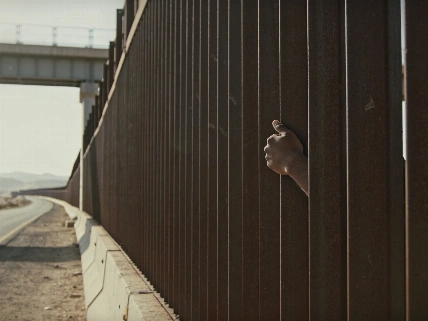
Just hours after Algeria's announcement, Tunisian authorities outlined plans to overhaul the country's 1992 drug laws. The Ministry of the Interior, as reported by TAP and other local sources, announced new measures including expanded surveillance, undercover operations, and interception of communications. These changes come as drug-related arrests have jumped from about 5,000 cases in 2020 to 15,000 in 2025, with over 27,000 arrests in the latest figures. While Tunisian officials say the reforms are driven by domestic concerns, the timing has led to speculation about a broader security shift in the Maghreb according to local reporting.
Security and influence shape Tunisia's choices
Since Kais Saied took office, Tunisia has moved closer to Algeria, especially in security and energy cooperation. Intelligence analysts now describe Tunisia as operating within Algeria's strategic orbit, with some even calling it an "Algerian military province or region"-a phrase that reflects the growing sense that Tunisian policy is being shaped in Algiers. Tunisia's participation in joint border security operations and energy projects, as documented by Tunis Afrique Presse (TAP), further shows this alignment.
The UAE, meanwhile, has spent years building its influence across Africa and the Middle East, investing in both economic and security partnerships. For Algeria's leadership, however, the UAE's ambitions have become a source of friction. If Tunisia were to follow Algeria's break with Abu Dhabi, the effects would go beyond bilateral ties, potentially impacting relations with Morocco and even the United States and Israel, given Morocco's alliances and recent normalization agreements, as noted by the Moroccan news agency MAP.
Signs of a gradual shift
Western analysts do not expect President Saied to make a sudden move. Instead, they predict a gradual approach: cooling relations, reassessing partnerships, and taking clearer positions on regional issues where Tunis and Abu Dhabi increasingly disagree. The recent Tunisian announcement on drug trafficking and foreign interference is seen as more than a domestic policy change-it could be a step toward distancing from the UAE and adjusting Tunisia's external relationships. Security experts at the African Union's Peace and Security Council have also pointed to growing cooperation between Tunis and Algiers on counterterrorism and border management.
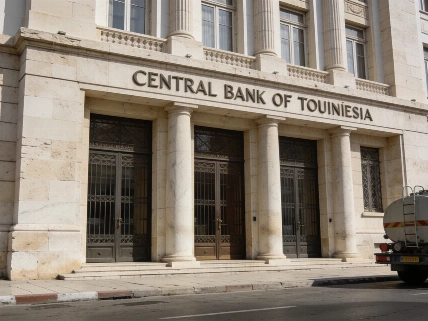
Economic and security interests are central to this shift. Tunisia's banking sector has shown renewed growth, as reported earlier, and the country's leadership is now prioritizing stability and regional ties over older alliances. The Ministry of Economy and Planning has also indicated a preference for Maghreb-focused trade and investment, as seen in recent agreements with Algeria.
Regional impact and what comes next
If Tunisia breaks with the UAE, it would mark a clear change in Maghreb politics, leaving Abu Dhabi isolated from two major North African capitals. It would also strengthen Algeria's efforts to shape the region's security and limit Gulf influence. For Morocco, which has close ties to the US and Israel, a stronger Tunis-Algiers partnership raises new questions for its own diplomacy. The Moroccan Ministry of Foreign Affairs has already begun internal discussions to assess the possible impact on regional stability and trade.
This is more than a diplomatic dispute-it is a shift in the balance of power in the Maghreb. Tunisia's next steps will show whether it is willing to stay in Algeria's shadow or seek a more independent path. For now, the evidence suggests Tunisia's leadership is ready to trade some flexibility for security, even if it means moving away from former Gulf partners. In a region where alliances matter, Tunisia's decisions will be watched closely as a sign of where the Maghreb is headed.