Tunisia and Japan's ¥9.559 billion supplementary loan will help complete the Sfax desalination plant, designed to serve about one million people. A separate cooperation project targets greater efficiency in the governorate's drinking-water network.
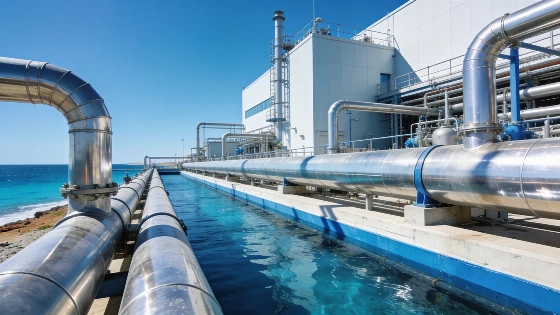
The Sfax seawater desalination plant is designed to produce 100,000 cubic metres of water a day and can expand to 250,000 cubic metres. It is expected to meet the needs of about one million inhabitants.
Tunisia and Japan signed a supplementary loan agreement worth 9.559 billion Japanese yen, equivalent to 175.86 million dinars, on November 18, 2026. The financing will help complete the plant, a project intended to strengthen drinking-water supplies in Sfax and neighbouring regions.
Financing and a separate water-network project
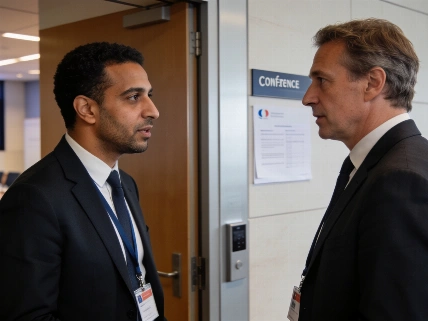
Mohamed Ali Nafti, Minister of Foreign Affairs, Migration and Tunisians Abroad, and Samir Abdelhafidh, Minister of Economy and Planning, oversaw the signing for Tunisia. Japan's signatories were Ambassador Saito Jun and Kotaro Tanaka, JICA Director General in charge of the Middle East and Europe.
The ceremony also included minutes of discussions on a project to improve the efficiency of drinking-water distribution networks in Sfax. The resident representative of the JICA office in Tunisia and the Director General of SONEDE signed the minutes. The project is intended to improve network performance and water-supply services in the governorate.
The supplementary water loan is separate from the €59 million EBRD business-financing facility described in an earlier EBRD report. That facility provided loans through local institutions to Tunisian businesses pursuing green investment.
Officials cite water security and cooperation
Abdelhafidh called the supplementary financing strategically important to completing the plant. He said investment in water infrastructure is essential to help the economy adapt to climate change and sustain economic and social activity. Tunisia also wants to make greater use of Japanese financing and expertise, including technology transfer, to support its development programmes.
Nafti said the agreement came as Tunisia and Japan marked 60 years of diplomatic relations, established in 1956. He described Japan as one of Tunisia's main partners in technical and financial cooperation. Tunisia wants to expand ties in priority fields including infrastructure and renewable energy, as well as health, communications technology and scientific research.
Japan's ambassador reaffirmed Tokyo's willingness to support Tunisia's development efforts. He said the desalination project would help address water scarcity and climate change through sustainable infrastructure that serves citizens' needs.
Tanaka cited cooperation between Tunisia and JICA dating to the 1970s. The two countries marked the 50th anniversary of JICA's Tunisia office in 2025, the year it opened in 1975. He said the agency was ready to continue providing Japanese financing and technical expertise for priority projects.
JICA's wider regional financing includes a separate ¥86.6 billion loan agreement signed with the African Development Fund on November 13, 2026. JICA set the annual interest rate at 0.70%, with a 40-year repayment period and a 10-year grace period. The funding supports the Fund's operations from 2026 to 2028. The agreement is detailed in JICA's announcement.
SONEDE is overseeing the plant's completion. The facility is planned to produce 100,000 cubic metres a day, with capacity to expand to 250,000 cubic metres.