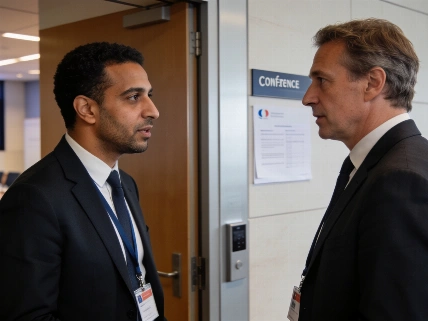
Khaled Nouri gave the ten-month figure during a parliamentary review of the 2027 Interior Ministry budget. He said expulsions are expected to increase in the coming period.
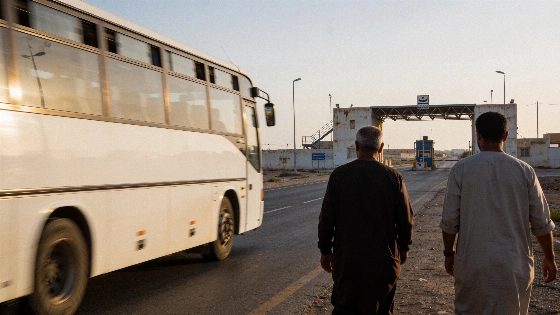
Interior Minister Khaled Nouri told a joint session of the Assembly of People's Representatives and the National Council of Regions and Districts in Tunis on November 12 that 10,254 irregular migrants were returned to their countries of origin between January 1 and October 31, 2026. He presented the figure during debate on the Interior Ministry's allocation under the 2027 state budget bill, as reported by Diwan FM. Nouri said the total was expected to rise during the rest of the year.
A separate tally concerns the assisted voluntary return and reintegration programme run with the International Organization for Migration. Tunisia's Foreign Ministry reported 6,034 voluntary returns since the start of 2026 and 26,308 programme beneficiaries since its launch in 2022, excluding people who travelled home on regular commercial flights. Those figures were reported after a meeting between Foreign Minister Mohamed Ali Nafti and Marise Habib, the IOM's new head of mission in Tunisia, according to Agenzia ANSA.
Coordination on voluntary returns
Nouri described the return effort as coordinated by the Interior Ministry, with the Ministry of National Defense and the Ministry of Foreign Affairs, Migration and Tunisians Abroad also involved. National and international organisations, including the Tunisian Red Crescent, are also working to expand voluntary returns.
The IOM-assisted mechanism combines travel arrangements with reintegration support in countries of origin. IOM assisted 8,853 returns in 2025. By May 18, 2026, its cumulative programme total stood at 22,377 beneficiaries, including 2,103 returns during the first months of that year. The 2026 total later reported by the Foreign Ministry was 6,034.
A separate operation involving 602 Chadian migrants in eastern Libya was covered in an earlier regional report.
Security measures and enforcement
Nouri said security units continue to monitor migrants in Tunisia and enforce the law in cases involving alleged violations or breaches of public order. He also cited tighter controls on land and sea borders, along with efforts to counter infiltration attempts. Authorities are dismantling human-trafficking networks.
Suspected trafficking-network members are referred to judicial authorities, Nouri said. He described security and stability as a shared national responsibility and called for continued development of security institutions to protect citizens and their property.