UN Resident Coordinator Rana Taha says Tunisia can share expertise in digitalization and climate adaptation with African partners, pointing to the country's record in peacekeeping and multilateral diplomacy.
The United Nations sees cooperation among developing countries as a way to cut the time and effort needed to address shared development challenges, Resident Coordinator Rana Taha said. In an interview with Tunis Afrique Presse (TAP) marking the 60th anniversary of Tunisia's accession to the UN, she described practical expertise-sharing as part of the organisation's role. Tunisia joined the United Nations on 12 November 1956, shortly after gaining independence from France.
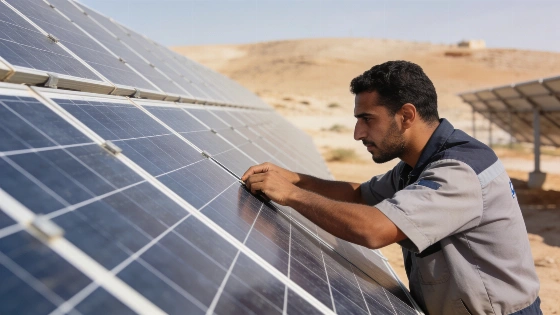
Taha identified digitalization and statistics, along with climate change adaptation and renewable energy, as areas where Tunisia has experience to share. She said the exchange can also help Tunisia learn from other countries, reflecting the reciprocal nature of South-South cooperation. The United Nations describes practical expertise-sharing as a way for developing countries to address common challenges.
A record in multilateral diplomacy
Tunisia's contribution to international cooperation dates to the early years of its independence, Taha said. The country joined United Nations peacekeeping efforts even though its army was young. She described Tunisia as a supporter of multilateralism and dialogue, with a record of solidarity across Africa and the Arab world.
Mongi Slim was elected President of the sixteenth session of the United Nations General Assembly in 1961, becoming the first African to hold the post. The General Assembly presidency lasts for a single annual session; the president chairs plenary meetings and oversees the session's work. Slim's election put Tunisia in a prominent leadership role during the early post-independence period, as African representation in UN institutions expanded. The UN's General Assembly records document the milestone. Taha also cited Tunisia's support for liberation movements and the right of peoples to independence and self-determination.
Technical cooperation and vaccine access
Technical exchanges also feature in a separate project: a Tunisia-FAO aquatic health initiative supports disease surveillance and rapid response in fisheries and aquaculture in Tunisia and Albania.
During the Covid-19 pandemic, Tunisia contributed to the unanimous adoption of UN Security Council Resolution 2565 on February 26, 2021. The resolution called for a general and immediate humanitarian pause in situations on the Council's agenda to facilitate vaccine distribution and other pandemic responses. It also called for equitable access to COVID-19 vaccines, particularly for populations affected by conflict and humanitarian emergencies. The resolution encouraged support for vaccine access in developing countries.
Tunisia officially joined the United Nations on November 12, 1956. Its early membership, later participation in peacekeeping and UN leadership roles have accompanied its longstanding engagement with multilateral diplomacy.