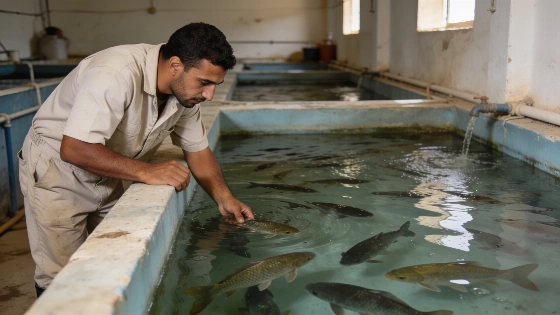
An agreement signed by Tunisia's National Institute of Marine Sciences and Technology and the FAO will support disease surveillance and rapid response in fisheries and aquaculture across Tunisia and Albania.
A new effort to limit disease threats to aquatic ecosystems will rely on early warning systems and coordinated protocols.
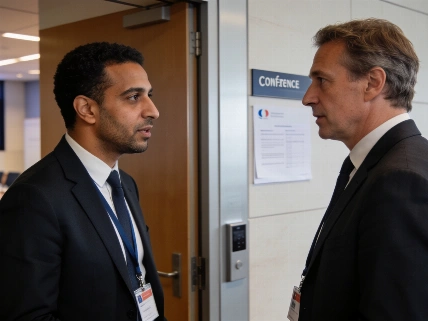
The National Institute of Marine Sciences and Technology and the Food and Agriculture Organization (FAO) signed the cooperation agreement on Monday at the Institute's headquarters. The project, entitled "Towards strengthening aquatic animal health, biosecurity and food safety in the central Mediterranean region", covers fisheries and aquaculture in Tunisia and Albania.
The initiative aligns with FAO's One Health approach, which recognizes how the health of people and animals is connected with that of plants and ecosystems. FAO's regional priorities call for coordinated surveillance and risk assessment, backed by preparedness and response to threats such as transboundary animal diseases and antimicrobial resistance, as well as food-safety risks. They also call for stronger laboratory and diagnostic capacity.
Monitoring and response systems
The project aims to improve monitoring and prevention of aquatic diseases and other health risks. It also plans to develop early warnings and rapid responses to emerging threats.
Support for public institutions and researchers will go hand in hand with efforts to align technical protocols and diagnostic systems across the sectors. These priorities reflect the broader regional emphasis on integrated surveillance and biosecurity, alongside quarantine and disease-risk analysis, as set out in FAO's regional framework.
Resilience and institutional capacity
The initiative responds to pressures on aquatic ecosystems, including climate change and emerging diseases. Its stated aims include building sector resilience and improving seafood safety through support for sustainable production.
The partnership builds on knowledge exchange and technical cooperation between the Institute and the FAO. A separate Tunisian effort on medicines regulation cooperation also focused on institutional capacity. The Institute said the new project reinforces its role in research and technical expertise for sustainable fisheries and aquaculture.