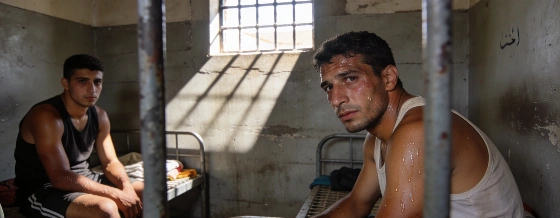
At least 23 prisoners have died in Tunisia during a severe heatwave, with rights groups blaming overcrowded, poorly ventilated cells and demanding independent investigations. The government has yet to release official figures or allow external monitoring.
Visiting a Tunisian prison has become a source of dread for many families. With a severe heatwave gripping the country, relatives of detainees-including outspoken critics of President Kais Saied-are bracing for bad news. The Tunisian League for Human Rights (LTDH) says at least 23 prisoners have died in recent weeks, though the real number may be higher. Authorities have not released official figures or allowed outside monitoring. The Ministry of Justice continues to withhold consolidated data, saying causes of death will only be confirmed after forensic examination. This stance is echoed by the national prison administration and reported by agencies such as AFP and NAMPA.
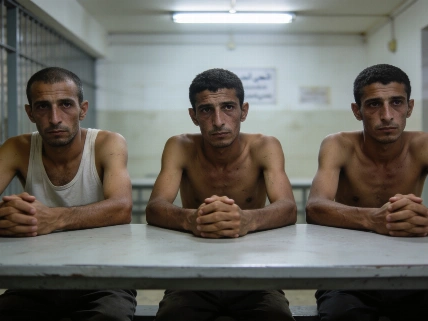
Prison conditions in Tunisia have long worried rights groups, but the current situation is worse than before. LTDH and regional news agencies report that the prison population has reached about 33,000, nearly double the official capacity of 17,000. Chronic overcrowding, poor ventilation, and frequent water and electricity cuts have made heat-related deaths more likely. The World Organisation Against Torture (OMCT) warns that extreme temperatures, lack of medical care, and neglected infrastructure put detainees at serious risk. The UN Economic Commission for Africa has raised similar concerns in recent risk assessments.
Overcrowding and official silence
Rights groups say Tunisia's prisons are packed far beyond capacity, with little relief from the heat. Reports from LTDH and international observers document at least 20 deaths by the end of August, many linked to heat, suffocation, and poor health. Prison authorities insist that detainees receive "medical care according to regulations" and claim "all necessary measures" have been taken to address the heat. The Ministry of Interior, cited by TAP, has not allowed independent monitoring or published detailed statistics, fueling accusations of denial and lack of transparency.
Families of detainees have turned to social media to raise the alarm. Haifa Chebbi, a lawyer whose father and uncle are both in prison on charges she calls politically motivated, wrote, "I will not wait for my father and uncle to die in prison. I will not remain silent. Free the detainees." Relatives of elderly political prisoners, including Ennahdha leader Rached Ghannouchi and activist Ahmed Nejib Chebbi, have also voiced concern about their health as temperatures climb. The death of businessman Lazhar Sta in early September sparked public outcry and renewed calls for accountability. Rights groups are demanding that the Ministry of Health and the judiciary release the findings of ongoing investigations.
Demands for access and answers
NGOs are calling on Tunisian authorities to let independent organizations investigate the deaths and visit prisons. LTDH says it has been barred from entering prisons since November 2025, making oversight impossible. OMCT has called for immediate steps to protect detainees and for the publication of reliable data on prison deaths. The National Syndicate of Tunisian Journalists (SNJT) has intervened after journalist Mohamed Yousfi, arrested while preparing to discuss water shortages on air, was reportedly denied urgent medication during interrogation and later needed surgery for appendicitis. The African Union's human rights bodies are monitoring the situation and have urged Tunisia to meet regional standards for detainee treatment.
For many families, fear is constant. "Every time I visit my father, I am afraid they will tell me he died," said Aram El Heni, daughter of jailed journalist Zied El Heni, in a widely shared video. "Every time I leave the prison, I tell myself it may be the last time I see him." The crisis has drawn attention from the Algerian Press Service (APS) and Morocco's MAP agency, both highlighting the wider impact of Tunisia's prison conditions on North African human rights.
Institutional mistrust grows
The government's refusal to release data or allow outside scrutiny has deepened mistrust in Tunisia's institutions, especially as political repression increases. Since President Kais Saied's 2021 power grab, dozens of political figures, journalists, and businesspeople have been detained. Rights groups warn that the justice system is being used to silence dissent. Amnesty International's September 2026 report links the worsening legal and political climate to systematic pressure on the opposition, a trend also noted by the African Union and the UN Economic Commission for Africa.
As the heatwave turns detention into a death sentence for the most vulnerable, the government's strategy of silence and denial is under growing criticism. Without urgent transparency and reform, Tunisia's prison system risks becoming a symbol of institutional failure. The pattern of official silence is not limited to prisons, as seen in other sectors across the region. The rising death toll is both a humanitarian crisis and a test of whether Tunisia's institutions can withstand pressure from climate, governance, and public trust.