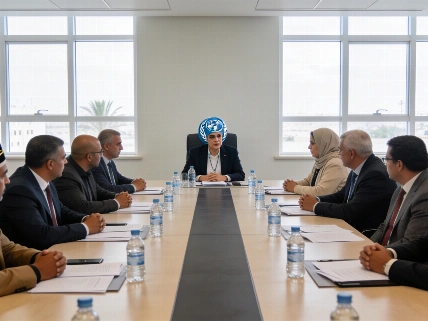

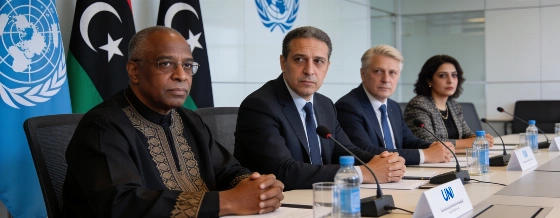
The United Nations Support Mission in Libya (UNSMIL) has hosted the signing of a key agreement by Libya's '4+4' Mini-dialogue Committee, advancing the political process and setting conditions for national elections within 24 months.
The United Nations Support Mission in Libya (UNSMIL) has overseen the signing of a significant agreement by the '4+4' Mini-dialogue Committee, marking a notable step in Libya's ongoing political transition. The agreement, reached through a UN-facilitated process, aims to address core institutional and legal challenges that have hindered progress toward national elections.
The deal focuses on two main priorities: the reconstitution of the Board of Commissioners of the High National Elections Commission (HNEC) and resolving outstanding issues in the constitutional and legal framework for both presidential and legislative elections. These steps are intended to create a more stable foundation for Libya's electoral process.
Key Provisions and Timeline
Under the agreement, the parties have committed to adjustments in the electoral framework, including arrangements for holding presidential and legislative elections under a unified executive authority. The agreement sets a target to conduct these elections within a maximum period of 24 months. It also outlines a mechanism for national endorsement by the House of Representatives and the High Council of State within one month, as well as a follow-up process to monitor implementation.
Implications for Libya's Political Process
This development is seen as a critical move to break the deadlock that has stalled Libya's transition. By addressing institutional and legal obstacles, the agreement could help restore momentum toward elections and strengthen the legitimacy of Libya's political institutions. The next steps will depend on the timely endorsement of the agreement by Libya's legislative bodies and the effective functioning of the follow-up mechanism.