

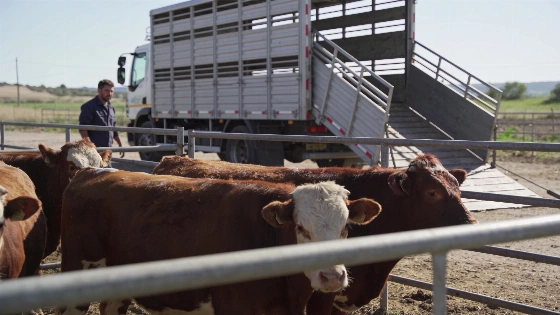
Spain sent 51,986 cattle to Morocco in 2025. Shipments have fallen to zero in 2026, and UPA wants Madrid to press for access from disease-free regions.
In 2025, Morocco received 51,986 Spanish cattle weighing more than 300 kilograms. Those shipments represented 64% of Spain's live-cattle exports, compared with 61,715 animals in 2024, when Morocco accounted for 52% of exports in this category. Recorded shipments for 2026 stand at zero.
After more than ten months of stalled trade, the Union of Small Farmers and Ranchers (UPA) wants Spain's Ministry of Agriculture to launch diplomatic efforts to reopen shipments. UPA representatives met ministry officials during the week before making the appeal. Spain-Morocco cooperation also covers other policy areas, including migration, discussed in earlier Maghreb Insider reporting.
Preliminary Spanish Tax Agency (AEAT) figures cited by farmers' association Asaja show that Spain exported no cattle weighing more than 300 kilograms to Morocco from January through July 2026. In the same period of 2025, the total was 36,316. Spain's overall exports in this category fell from 50,570 animals to 17,702, a decline of about 65%. Morocco had taken around 72% of these shipments in the first seven months of 2025. Asaja's trade figures show that sales to other destinations failed to make up for the loss of the Moroccan market.
UPA seeks regional access for disease-free areas
UPA is urging Morocco to accept regionalization. Under that approach, Spain could export live cattle from regions free of lumpy skin disease, known in Spain as contagious nodular dermatitis. The disease was detected in Spain at the end of 2025. UPA says reported outbreaks were confined to Catalonia and Aragon and wants restrictions limited to affected areas, rather than applied across the country.
UPA says regionalization would preserve exports from disease-free parts of Spain. Shipments have not resumed. The organization wants Madrid to raise the issue with Moroccan authorities, and the ministry has scheduled a meeting with them for the end of November.
EU livestock policy and funding also feature
UPA's livestock secretary, José Ramón González, also asked about progress on the European livestock strategy, including its planned measures and funding. He raised the strategy's potential impact on Spain's livestock sector.
UPA says the strategy should strengthen farms and their competitiveness. It opposes adding requirements without budget support. The organization also raised concerns about the future EU budget, which will set the structure for the Common Agricultural Policy (CAP). UPA urged Spain to take a leading role in negotiations so the policy supports livestock farming.
Spain's live-cattle exports have shifted towards smaller markets. From January through July 2026, suppliers sent 5,179 cattle to Lebanon, information from figures reported by El Debate. Libya received 833 cattle in that period, Peru received 140, and Armenia received five. In the same period of 2025, Morocco had received 36,316 head in the AEAT figures cited by Asaja.







