Algeria is intensifying preparations to position itself as a basic supplier of green hydrogen to Europe, with a major international summit on the SoutH2 Corridor scheduled for September in Algiers. The project aims to deliver millions of tonnes of clean hydrogen annually to European markets.
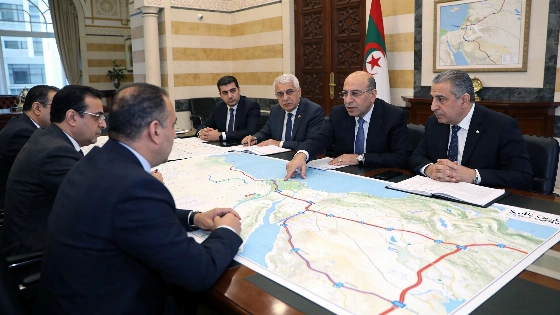
Algeria is stepping up efforts to establish itself as a major player in the global green hydrogen market as the government prepares to host the international SoutH2 Corridor summit in Algiers this September. Energy Minister Mourad Adjal convened senior officials in the capital to review plans and issue directives for the event, which will bring together energy ministers from the four partner countries: Italy, Germany, Austria and Tunisia. The summit follows earlier consultations in Berlin and is expected to strengthen strategic cooperation among the partners.
The SoutH2 Corridor project is designed to build 3,300 kilometres of infrastructure linking Algerian hydrogen production sites to industrial hubs in Germany. The route will use existing gas pipelines, including the Transmed line via Tunisia, while adding new elements to the green hydrogen value chain. The initiative targets an annual transit capacity of 4 million tonnes of green hydrogen to Europe, with Algeria directly supplying 1.2 million tonnes. The European Commission has identified the corridor as a priority for decarbonising the Mediterranean and Central Europe.
Summit to Define Production Zones and Regional Partnerships
During preparatory meetings, Minister Adjal reviewed logistical and organisational plans and issued instructions to help ensure the summit's success. Alongside discussions on hydrogen, a separate session brought together central administration and the Commissariat à l'énergie atomique (COMENA) to assess broader energy sector management. A basic item on the summit agenda will be selecting sites for large-scale hydrogen production units, a decision that will shape Algeria's role in the emerging European hydrogen supply chain.
Strategic Implications for Regional Energy Supply
The SoutH2 Corridor is intended to underpin future European energy imports, reinforcing Algeria's status as a critical supplier. The project builds on existing cross-border infrastructure and deepens cooperation with European and North African partners. Recent events elsewhere in North Africa, including Mauritania's urgent response to a major power outage in Nouakchott, show why resilient energy networks matter across the region. For further context on regional energy challenges, see this report on Mauritania's efforts to restore power after a substation fire.
As Algeria prepares for the September summit, stakeholders will be watching for concrete agreements on production zones and investment frameworks, along with next steps for implementing the SoutH2 Corridor. The outcome will have lasting implications for the region's energy transition and its integration with European markets.