The two foreign ministers discussed economic, energy and education ties and reaffirmed support for three cross-border projects. No new funding figures or delivery dates were announced.
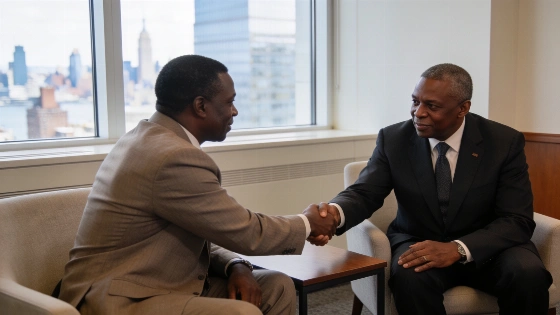
In New York, Ahmed Attaf met Nigeria's foreign minister during the 81st session of the United Nations General Assembly. An official Algerian communiqué, carried by Radio Algérie, said they discussed strengthening ties across the economy, energy, professional training and higher education.
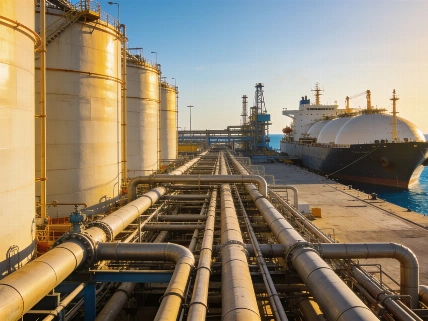
The communiqué named three strategic joint projects: the Trans-Saharan Highway, a cross-border fibre-optic link and the Nigeria-Algeria Gas Pipeline Project. Both sides reaffirmed their commitment to the projects and their contribution to African connectivity and integration. No new figures were announced, and the communiqué offered no financing details, construction milestones or completion dates.
Energy cooperation stands out, though each project has a different purpose and status. The gas pipeline would link energy producers and markets, while the highway and fibre-optic infrastructure are intended to improve transport and digital connections across the region. The communiqué confirms political support for implementation but does not say any project has reached a new operational stage.
The talks formed part of wider diplomatic activity around the 81st UN General Assembly, where officials discuss bilateral and multilateral priorities. The communiqué names economic, energy and education cooperation but gives no details of a new security agreement or implementation programme.
Attaf's meeting with Nigeria's foreign minister was separate from his New York meeting with Niger's foreign minister on 24 September 2026. In a separate report, Radio Algérie said the Niger talks covered hydrocarbons, energy, trade, agriculture and infrastructure. The meetings involved different countries.
Cross-border transport, energy and digital infrastructure are part of a wider regional effort to support economic integration across the Sahel and North Africa. Their practical impact will depend on how countries along the routes plan and finance the work, then coordinate it; the communiqué offered no details on these matters.
This is separate from the public stance discussed in Maghreb Insider's earlier coverage of Algeria's response to the Mecca drone attack.
The meeting showed political interest in a closer Algeria-Nigeria partnership and reaffirmed support for specific strategic projects. No new delivery dates or measures were announced. The governments now need to turn those commitments into verifiable steps.