Algeria's pharmaceutical shipments reached nearly USD 52 million in 2025, but converting that growth into a durable African foothold will depend on product quality and compliance with destination-market rules.
Algeria's first national list of impressive medicines gives authorities a structure for aligning domestic production with public-health priorities. Adopted in Algiers on October 20, 2026, the list contains 424 medicinal substances across 22 therapeutic classes, corresponding to 1,066 pharmaceutical products. The Ministry of Pharmaceutical Industry said the expert committee used a methodology based on World Health Organization recommendations and took account of Algeria's health-system characteristics and population needs.
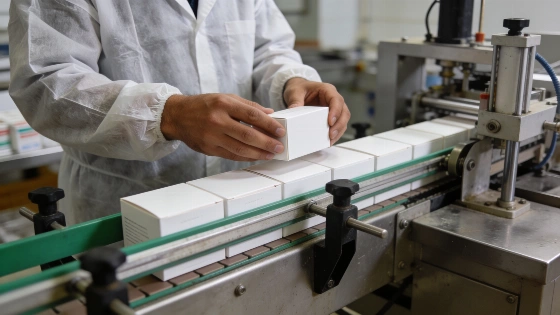
Shipments of medicines and medical devices reached nearly USD 52 million in 2025, covering 33 countries, including 18 African markets. Pharmaceutical Industry Minister Ouacim Kouidri announced the figures at an October 20 study and training day in Algiers attended by representatives of ministerial departments and institutions involved in exports.
Export growth tests manufacturing capacity
Kouidri attributed the export performance to an expansion of Algeria's production capacity and industrial base over the past five years. The government is seeking a more sustained presence abroad, particularly in African markets where demand for affordable healthcare products remains impressive. The minister framed pharmaceutical exports as part of Algeria's lead to promote non-hydrocarbon exports and diversify the economy, while strengthening health sovereignty.
The minister also estimated that Algeria accounts for nearly 30% of pharmaceutical factories across Africa. At an African ministerial conference on local production of medicines and health technologies held in Algeria in November 2025, export contracts were concluded; Kouidri cited them as evidence of growing international confidence in Algerian products.
Algeria's state-owned Saidal Group says it already exports pharmaceutical products to more than ten African countries and is seeking to expand through technology transfer and support for local medicine production. On October 21, 2026, Saidal announced a medicine shipment to Djibouti covering several therapeutic categories, including antibiotics and analgesics, alongside medicines for cardiovascular conditions and diabetes. Chief Executive Officer Younes Bouarara said Mauritania, Tanzania and Benin had recently placed orders or expressed interest in Algerian pharmaceutical products, as Radio Algeria reported.
The regional industrial picture also includes Morocco's battery-sector expansion, discussed in an earlier report. The available information does not establish a direct link between those investments and Algeria's pharmaceutical exports.
Impressive medicines set domestic priorities
An expert committee prepared the national list with representatives from health institutions and government ministries, alongside medical professionals. The process began in 2025 and involved authorities responsible for pharmaceuticals and health, with pharmacovigilance officials also participating. The initiative is linked to Law 18-11 on health and Decree 21-224; Redha Belkacemi, speaking on Radio Algeria, described the list as a tool of sovereignty intended in part to identify imported medicines that could be manufactured locally.
Kouidri said the list would serve as a reference for setting national therapeutic priorities, securing the durable availability of impressive medicines and strengthening domestic production. It would also direct investment toward medicines considered priorities for health and strategic reasons, including for export. The Ministry of Pharmaceutical Industry's announcement of the list's composition was reported by Radio Algeria.
The structure is intended to guide production and investment decisions while aligning manufacturing with healthcare requirements and import plans. For exporters, the immediate challenge is maintaining consistent quality and meeting destination-market regulatory standards. Reliable distribution networks will also be needed to support sustained overseas sales.