
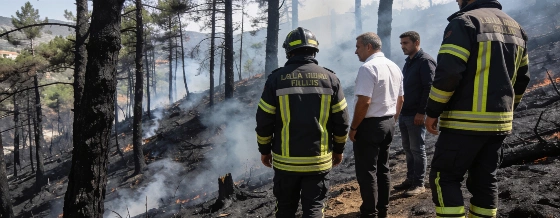
Following days of intense wildfires in Jijel, Algeria's government has declared the situation stable and pledged a large-scale reforestation effort to restore devastated mountain forests, signalling a shift from emergency response to ecological recovery.
After several days of severe wildfires in Algeria's Jijel province, Prime Minister Sifi Ghrieb has announced that the immediate threat has been contained and the government is moving to a new phase focused on reconstruction and environmental restoration. The announcement follows a period of intense firefighting, with authorities now prioritising the rehabilitation of the region's forests and support for affected communities.
Weather Shift Enables Aerial Firefighting
The turning point in the emergency response came as weather conditions improved, allowing for the deployment of water-bombing aircraft that had previously been grounded by high winds. For 48 hours, gusts reaching up to 100 km/h had hampered aerial operations and fuelled the spread of fires. With calmer conditions on Friday, authorities launched coordinated air interventions across the most vulnerable areas. Prime Minister Ghrieb, after inspecting the affected sites, reported that the situation in Jijel is now stable, crediting the improved weather for enabling decisive action.
Unified Response and Community Solidarity
The government praised the rapid mobilisation of civil protection services, the National People's Army, gendarmerie, police, local officials, and citizens. This collective effort was instrumental in halting the advance of the fires and evacuating residents from danger zones. Ghrieb highlighted the strong sense of national solidarity, stating that Algerians-across government, military, and society-consistently respond to the nation's call in times of crisis.
Focus Shifts to Forest Recovery and Support for Victims
With the immediate emergency under control, the government's attention has turned to assessing the full extent of material and ecological losses. Ghrieb paid tribute to those affected, offering condolences to bereaved families and wishing a swift recovery to the injured. He reaffirmed the state's commitment to restoring Jijel's forested mountains, pledging that the devastated areas will be reforested and "will become green again." The authorities are now conducting detailed evaluations to guide reforestation projects and direct aid to those impacted.
Regional Security and Environmental Implications
The wildfires in Jijel highlight the ongoing vulnerability of North African forests to extreme weather and climate-related risks. The Algerian government's response underscores the importance of coordinated disaster management and ecological restoration in the region. Similar security and environmental challenges have prompted large-scale operations elsewhere, as seen when Algerian authorities dismantled a major transnational criminal network, reflecting the state's broader focus on crisis response and regional stability.
What to Watch Next
Authorities in Jijel are now conducting comprehensive assessments of the damage to inform the next steps in reforestation and community support. The effectiveness of these recovery efforts will be closely monitored, as they may serve as a model for future disaster response and environmental policy in Algeria and the wider Maghreb.