With the 2026-2027 school year approaching, Algerian authorities are under pressure to deliver new and renovated educational facilities, ensure transport and meal services are operational from day one, and address persistent gaps in school infrastructure across multiple wilayas.
Algeria's education sector is facing a high-stakes countdown as local authorities scramble to finalize new schools, overhaul aging facilities, and guarantee essential services before the 2026-2027 academic year begins. The government's credibility is now tied to whether these promises materialize on schedule-or if students will once again confront the familiar chaos of unfinished classrooms and missing services.
At the heart of the push is a directive from the highest levels of government, with Saïd Saïoud, Minister of the Interior, des Collectivités locales et des Transports, instructing walis to maintain relentless oversight of every project. The message is clear: delays and excuses will not be tolerated this year. Local officials are now conducting near-daily site visits, tracking the progress of new school construction, and flagging any risk of slippage.
Infrastructure overhaul and new school openings
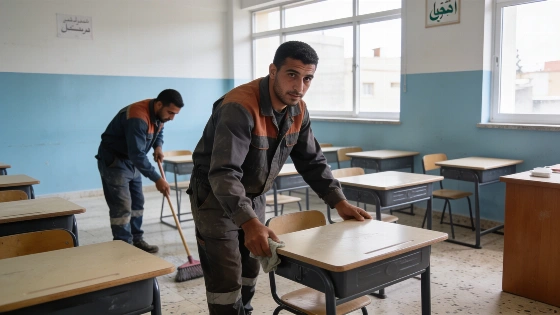
According to the Ministry of the Interior, the most visible changes are the commissioning of new educational facilities and the rehabilitation of existing schools. These projects are designed to absorb growing student numbers and address chronic overcrowding, especially in fast-growing wilayas. The government claims that new buildings will be ready to receive students, while ongoing renovations target structural deficiencies and outdated amenities that have plagued the sector for years.
Yet, the reality on the ground is more complex. While some wilayas report progress, others are still racing to complete basic repairs and extensions. The authorities have prioritized identifying and resolving bottlenecks before the first day of classes, but the risk of unfinished works remains. The Ministry's own statements acknowledge that gaps persist, and the pressure is on to close them before students return.
Logistics and support services under scrutiny
Beyond bricks and mortar, the government is also under pressure to deliver on school transport and meal services-two areas that have historically triggered parental frustration. This year, officials insist that buses and canteens will be operational from the very first week, in line with presidential instructions. The aim is to avoid the annual scramble that leaves students stranded or without meals in the opening days of term.
Authorities have also moved to ease the financial burden on families by reserving dedicated spaces for the sale of school supplies. These points of sale are intended to bring essential materials closer to communities and streamline the back-to-school rush. However, the effectiveness of these measures will only become clear once the school gates open.
Persistent challenges and regional disparities
Despite the official optimism, Algeria's education system continues to face deep-rooted challenges. As reported earlier, previous attempts to modernize the sector have exposed significant gaps in infrastructure and staffing, particularly in secondary education. The current wave of upgrades is a test of whether the state can overcome these structural weaknesses or if regional disparities will persist.
For families and students, the stakes are immediate and personal. The success or failure of these preparations will determine whether the new academic year begins with stability or disruption. The government's insistence on hands-on oversight is a tacit admission that past years have fallen short-and that public patience is wearing thin.
What is clear is that the 2026-2027 rentrée has become a litmus test for Algeria's ability to deliver on basic public services. If the authorities succeed, they will have set a new standard for accountability in the education sector. If they fail, the consequences will be measured not just in missed lessons, but in public trust eroded further by unmet promises.