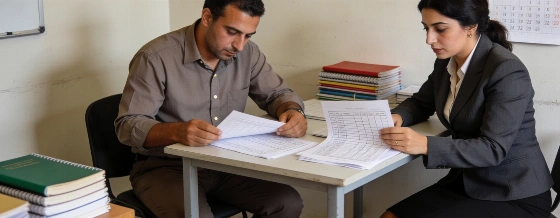
Algeria's Ministry of National Education will pay the third-quarter 2026 performance bonus to all education sector employees from 1 September, aiming to ease financial pressure ahead of the new school year and amid a revised academic calendar.
The Algerian Ministry of National Education has confirmed that the performance bonus for the third quarter of 2026 will be disbursed to all public education sector employees starting 1 September. The payment, which covers staff across all grades and roles, is scheduled just days before the reopening of schools, a period that typically brings significant expenses for families nationwide.
Bonus Payment Timed Ahead of Staggered School Reopening
The ministry's announcement clarifies that the bonus will be available from the first day of September, with no categories of staff excluded. This timing is intended to provide financial relief as families prepare for the new academic year. The 2026-2027 school year will see a phased return: administrative teams, including directors and supervisors, resume work on 6 September; teachers follow on 13 September for their preparatory meetings; and students return on 21 September. This staggered approach, formalized after a government review in early August, gives staff additional time to finalize schedules and infrastructure checks. The revised calendar delays the start of classes for students by two weeks compared to the initial plan.
Government Adjusts Academic Calendar and Prepares for School Year
The original calendar, published in late July, had set earlier return dates for both staff and students. The subsequent adjustment aligns the bonus payment with the administrative restart, creating a more coherent financial and operational sequence for education personnel. Beyond salary matters, the ministry is advancing on several fronts: recruitment of new teachers is being expedited, as highlighted by Mohamed Seghir Saadaoui at a national conference on 1 August, and logistical preparations such as early textbook distribution and updated supply lists are underway. These measures aim to address recurring challenges and ensure a smoother start to the year for Algeria's more than eleven million students.
Algeria's approach to sectoral performance and operational planning echoes similar efforts in the region, such as Mauritania's recent review of its health sector's mid-year performance in Assaba, which sought to identify and address operational gaps ahead of the second half of 2026. For more on regional public sector performance management, see this report on Mauritania's health sector review.