
Mauritania's Ministry of Health has launched a mid-year review of its operational plan in Assaba, aiming to identify shortcomings and implement corrective measures to improve health sector performance in the second half of 2026.
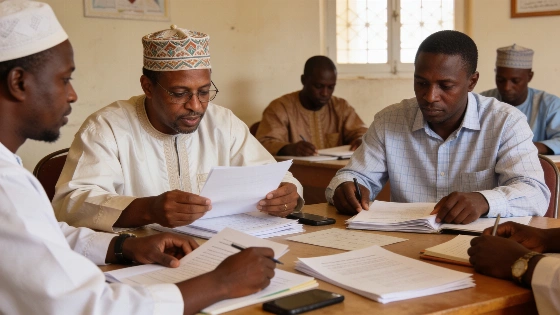
Mauritania's Ministry of Health has initiated a comprehensive review of its operational plan for the Assaba region, focusing on the first half of 2026. The process, launched in Kiffa and presided over by the wali of Assaba, Ahmedou Adahi Khtéra, aims to assess the implementation of planned activities, identify operational shortcomings, and determine necessary adjustments to enhance sector performance in the coming months.
According to regional authorities, the review is designed to measure progress against established objectives, diagnose challenges, and define targeted interventions. The wali emphasized that the regional health plan aligns with the Ministry of Health's broader policy framework and the National Health Development Plan.
Coordination and Stakeholder Involvement
Officials highlighted the importance of coordination among administrative bodies, technical services, development partners, local authorities, and civil society organizations to achieve sustainable improvements in health services. The president of the Assaba region, Mohamed Mahmoud Ould Habib, and the mayor of Kiffa, Jamal Ould Keboud, both noted that the evaluation would help pinpoint gaps and guide corrective action, while also acknowledging recent progress in bringing health services closer to local communities.
Assessment Process and Next Steps
Regional health director Amadou Adama Ba stated that the review would catalogue activities carried out, objectives met, and operational issues encountered, with the goal of informing adjustments for the second half of the year. The assessment was attended by administrative, health, and security officials, including the director of the Kiffa hospital and the head of the National Blood Transfusion Centre. The findings are expected to shape the region's health sector priorities and resource allocation for the remainder of 2026.