
Algeria's Ministry of Health has introduced stricter medical eligibility rules for Hadj 2027, excluding candidates with nine specific health conditions in line with new Saudi requirements. The move aims to reduce health risks during the pilgrimage.
Algeria's Ministry of Health has issued a directive establishing a list of nine medical conditions that will automatically disqualify candidates from participating in the Hadj pilgrimage for the 2027 season. This decision, signed by Minister Mohamed Seddik Aït Messaoudène, comes in response to new, more rigorous health requirements set by Saudi authorities for all pilgrims.
The excluded conditions include acute renal failure, heart failure, acute respiratory diseases, liver cirrhosis, severe neurological or psychiatric disorders, dementia, high-risk or late-term pregnancy, contagious infectious diseases such as tuberculosis, and advanced or heavily treated cancers. The ministry's circular notes that these criteria are intended to address persistent vulnerabilities identified during previous Hadj campaigns, particularly regarding the management of chronic illnesses and the risk of severe complications under the demanding conditions of the pilgrimage.
Implementation Through Medical Commissions
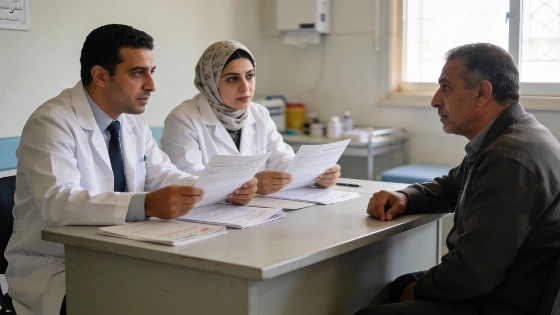
To enforce the new eligibility standards, Algeria will rely on tripartite medical commissions, each including a psychiatrist. These commissions will conduct two to three evaluation sessions per week, increasing to four for independent candidates. The process will also involve hair and nail sampling for certain applicants. The ministry's instruction n°07 of 13 July 2026 highlights that, while the previous Hadj campaign was generally successful, gaps remain in the care of chronic and severe conditions, especially those requiring ongoing treatment or presenting acute risks.
Broader Health and Regulatory Context
The ministry has instructed regional health directors to closely supervise the implementation of these medical assessments and to determine the appropriate number of commissions per wilaya, taking into account past experience and the specific needs of independent candidates. The new rules underscore the principle that medical fitness is fundamental to the organisation of the Hadj, with all decisions to be made collectively by the designated commissions.
This move reflects a broader trend of tightening public health and safety regulations in Algeria, as seen in other sectors. For example, authorities have recently increased enforcement of road safety measures, with the Gendarmerie nationale warning of fines for night driving without proper lighting, as detailed in recent coverage of new traffic penalties.
What to Watch Next
Health authorities will monitor the rollout of these stricter eligibility criteria in the lead-up to Hadj 2027, with particular attention to the effectiveness of the new commission structure and the impact on candidate selection. The ministry's approach may serve as a model for future regulatory updates in other high-risk public activities.