Algeria has signed an agreement to ship 100,000 tonnes of construction materials to Mauritania, strengthening maritime links and opening West African markets while cutting reliance on costly overland routes.
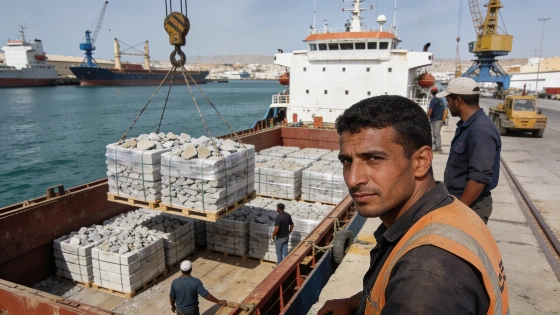
Algeria’s national shipping company, CNAN El Djazaïr, will work with the Société Arabe de Services Généraux Mauritanienne to deliver 100,000 tonnes of construction materials to Mauritania under a recently concluded agreement. By shifting more freight from trans-Saharan roads to maritime transport, the partnership aims to cut delays and costs while establishing a regular shipping channel for Algerian exporters.
Guided by Algeria’s Ministry of the Interior, Local Authorities and Transport, the agreement is intended to improve access to Mauritania and other West African markets through regular maritime freight services. Construction materials will be the initial focus, with plans to extend trade to the agri-food sector. The parties are also preparing temperature-controlled containers for perishable goods, which could support exports from Algeria’s agro-industrial sector.
Mauritania already has port-linked logistics serving industrial and mining operations. Carmeuse Mauritanie’s CTSM manages port operations and provides secure storage for lime-based products, then delivers them to industrial and mining sites across the country. Its work shows how logistics services move goods between ports and inland users.
Strengthening Regional Maritime Corridors
CNAN El Djazaïr operates nine vessels on the corridor: two container ships and seven multipurpose cargo ships. Its monthly rotations connect Algerian ports with Nouakchott and Nouadhibou, with Dakar also on the schedule. The expanded service offers an alternative to road transport and supports Algeria’s ambition to grow exports in West Africa. The corridor is also expected to help two-way trade, including potential seafood imports from Mauritania to Algeria.
What to Watch Next
Immediate priorities include the initial 100,000-tonne shipment and the rollout of regular maritime rotations. Further steps may include temperature-controlled container services and expanded trade in other sectors, particularly agri-food. The partnership’s development could shape Algeria’s wider approach to regional trade integration and resilient logistics.