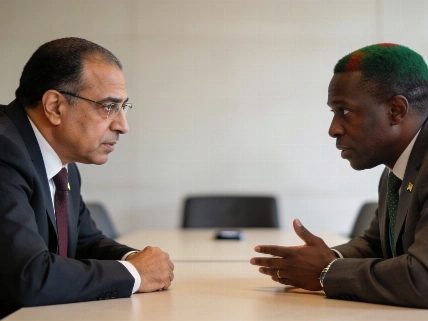
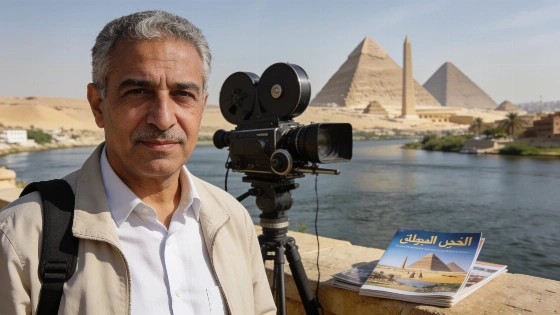
Dr. Atef Abdel Latif, with over 40 years in tourism, media, and film, argues that integrating cinema and tourism can project Egypt's authentic image globally, drive economic growth, and position the country as a premier destination for both visitors and international productions.
For more than four decades, Dr. Atef Abdel Latif has worked at the intersection of tourism, media, the arts, and film production in Egypt. He maintains that these sectors should be seen as interconnected, forming a unified strategy to promote Egypt's civilization and tourism identity worldwide.
Abdel Latif's career began in tourism, where his exposure to international travelers highlighted Egypt's diverse destinations. He soon recognized that film and the creative arts could serve as powerful tools to promote Egypt as a global tourism destination, leading him to expand into content creation, media, and film production. His philosophy centers on the synergy between tourism, cinema, and media as a source of soft power for Egypt.
Integrating Tourism, Media, and the Arts
Abdel Latif has consistently viewed tourism, media, and the arts as components of a single ecosystem. He argues that tourism requires compelling media content, which the arts can provide, and that production brings these ideas to a wide audience. Egypt, he says, possesses significant soft power, but the challenge is to present it in a contemporary, globally resonant way.
He notes that while Egypt's image abroad is sometimes limited to social challenges depicted in certain films, the country's landscapes, ancient civilization, and cultural richness deserve greater international exposure. Abdel Latif believes that every artistic production can act as an ambassador for Egypt, inspiring viewers to visit.
Strategic Vision for Egyptian Tourism
As chairperson of Mosafiroon Association for Tourism and Arts and vice chairperson of the Marsa Alam Investors Association, Abdel Latif is optimistic about Egypt's tourism prospects. He supports the state's efforts to improve infrastructure and security, and believes the target of 30 million tourists by 2028 is achievable with a coordinated strategy. Key priorities include expanding airport capacity, diversifying tourism offerings beyond traditional models, and enhancing Egypt's presence at international tourism fairs.
He highlights the potential for conference, wellness, sports, cultural, and religious tourism, especially in destinations like Sharm El-Sheikh and Marsa Alam. Abdel Latif stresses that effective marketing and storytelling are now as important as the attractions themselves.
Role of the Private Sector and Market Diversification
Abdel Latif sees the private sector as essential to achieving national tourism goals, emphasizing the need for regulatory stability and a clear long-term vision. He also calls for tailored products for Arab tourists and a more nuanced understanding of different market segments. Domestic tourism, he argues, should be promoted to strengthen national identity and awareness of Egypt's heritage among Egyptians themselves.
Cinema as a Tool for Tourism Promotion
Abdel Latif describes cinema as Egypt's "passport to the world," capable of showcasing the country's beauty and culture. He points to international examples where film and television have driven tourism, and urges Egyptian filmmakers to use authentic locations rather than studio sets. His own experience in productions such as "Sea of Diamonds," "Al-Marsa Abu Al-Abbas," and "Youssef's Journey" has reinforced his belief in cinema's power to shape perceptions and attract visitors.
Challenges and Opportunities for Film Production
He identifies high fees and complex procedures for filming permits as major obstacles, especially for smaller productions. Abdel Latif proposes a national map of filming locations, developed jointly by the Chamber of Cinema Industry and tourism authorities, to streamline access and promote Egypt as an open-air studio for international filmmakers. He argues that the promotional value of film productions should be prioritized over permit revenues.
Media, Content Creation, and Social Media Influence
Abdel Latif acknowledges the growing influence of social media in shaping travel decisions, noting that compelling digital content can inspire visits more effectively than traditional advertising. He advocates for continuous content creation that leverages Egypt's visual diversity and appeals to younger, digitally engaged audiences.
Personal Experience and Broader Vision
Through his media program "Mosafiroon" and his book "My Travels Around the World," Abdel Latif has sought to share stories that connect history, culture, and travel. He views travel as a means of fostering understanding and dialogue, and sees destinations like Saint Catherine as opportunities for spiritual, wellness, and creative tourism.
Sustainable Tourism and Environmental Preservation
Abdel Latif stresses that tourism development and environmental preservation are compatible if guided by sustainability principles. He sees potential for Egypt to lead in sustainable tourism, particularly in sensitive areas like the Red Sea and South Sinai, and calls for development that protects natural assets while meeting international standards.
Outlook for Egypt's Tourism Sector
Abdel Latif concludes that Egypt has all the elements to become a leading global tourism destination, provided it can integrate its creative industries and present its authentic strengths. He believes that cinema can create the dream, media can tell the story, and tourism can bring that dream to life-positioning Egypt as an experience to be discovered and remembered.