
The two countries will hold technical consultations on fibre networks, AI, digital government and skills. Egypt pointed to its Hayat Karima connectivity programme and regional training capacity; Mali wants to draw on Egyptian experience to modernise public administration.
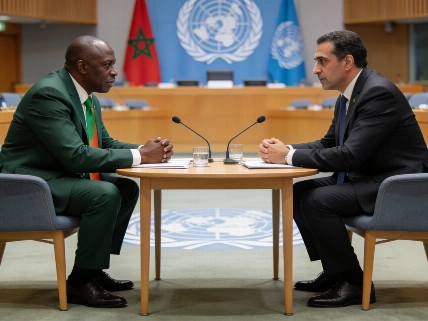
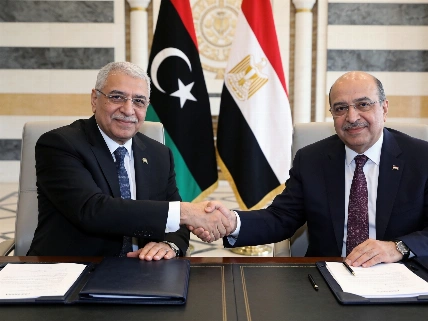
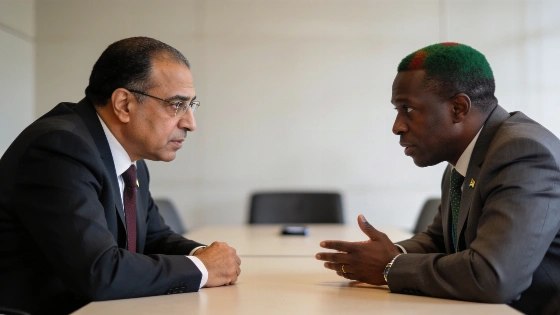
At a meeting on September 27, 2026, Egypt's Minister of Communications and Information Technology, Raafat Hindy, met Mali's Minister of Communication, Digital Economy and Administration Modernisation, Alhamdou Ag Ilyene. The two sides agreed to hold technical consultations on digital transformation, including fibre-optic networks, artificial intelligence (AI), digital public services and skills development. Al-Ahram reported that the consultations would identify practical areas for cooperation.
The agenda links infrastructure to public services and workforce development. Mali expressed interest in Egypt's experience with digital infrastructure for public administration. Egypt offered to exchange expertise on fibre deployment, connections to government institutions and digital platforms.
Connectivity and skills sit at the heart of the discussions. Egypt cited Hayat Karima, or "Decent Life," an initiative that aims to bring fibre-optic services and high-speed internet to approximately 60 million people. That figure is a programme target, not an outcome of the Egypt-Mali talks. The two countries have not announced a joint infrastructure project or investment amount.
Mali is landlocked, so reliable links to regional and international networks matter as the country expands digital services. Any future infrastructure work would need to address connectivity, maintenance and the skills required to run networks and public platforms. These are possible implementation needs, not announced terms of an agreement.
Egypt also pointed to the Egyptian African Telecom Regulatory Training Centre (EG-ATRC), which runs training programmes for African professionals. If the consultations lead to specific training activities, the centre could help share technical and regulatory expertise.
AI and digital government are also on the agenda. Egypt outlined its national AI strategy and the work of its Applied Innovation Centre, which develops technology solutions for public and social challenges. Officials discussed possible uses of AI in government services. They also discussed digital platforms designed to support public administration and widen citizens' access to services.
The African Union's Digital Transformation Strategy for 2020 to 2030 sets a continental framework for digital development. UNECA's work on Africa's digital economy also puts infrastructure, institutional capacity and skills in a broader development context. These frameworks inform the bilateral talks. They do not show that Egypt and Mali have made a separate funding commitment.
The discussions could matter beyond the two countries. Digital public services need more than network access; they also rely on trained staff, usable platforms and institutions that can maintain them. For Mali, the consultations may help identify which parts of Egypt's experience fit local needs. Egypt, in turn, has a chance to share expertise through African cooperation.
Officials from Mali's communications and technology agencies took part, along with representatives of Egypt's National Telecommunications Regulatory Authority and Ministry of Communications and Information Technology. The next step is further technical discussion on infrastructure, AI, digital platforms, knowledge exchange and training. The meeting set a broad agenda. Specific joint projects, budgets and delivery timelines have not been announced.