
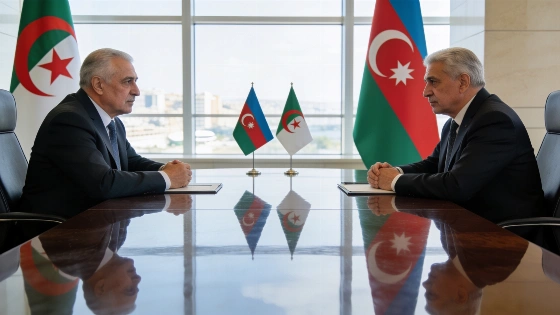
Azerbaijan and Algeria have locked in early 2027 for their inaugural joint commission meeting in Baku, aiming to formalize expanding energy, trade, and technical ties. The move signals a calculated push to leverage OPEC+ alignment and deepen state company partnerships.
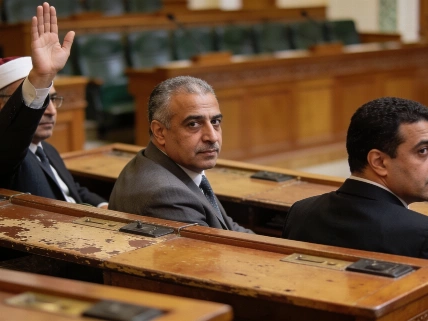
Plans for a 2027 summit in Baku between Azerbaijan and Algeria are no routine diplomatic gesture. By scheduling the first meeting of their Joint Commission on Trade, Economic, Scientific, and Technical Cooperation, both governments are signaling a deliberate escalation in bilateral engagement-anchored by energy sector ambitions and state company alliances.
Behind the scenes, the groundwork is already being laid. Azerbaijan's Minister of Energy Parviz Shahbazov and Algeria's Minister of State, Minister of Hydrocarbons Mohamed Arkab have been coordinating via video conference, mapping out the agenda and logistics for the commission's debut. Their discussions have gone beyond protocol, focusing on operationalizing the Memorandum of Understanding signed in the energy sector and activating the working group established under its terms.
Energy partnership moves from talk to action
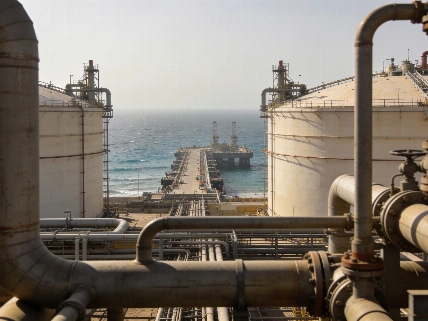
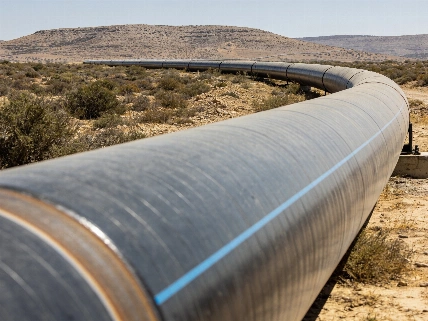
What sets this initiative apart is the convergence of two OPEC+ players with overlapping interests in hydrocarbons, petrochemicals, and renewables. Both sides have expressed satisfaction with the current trajectory of political dialogue at the head-of-state level, but the real test will be translating that goodwill into concrete projects. The ministers highlighted ongoing collaboration between SOCAR and Sonatrach, their respective national energy champions, as a foundation for broader sectoral cooperation.
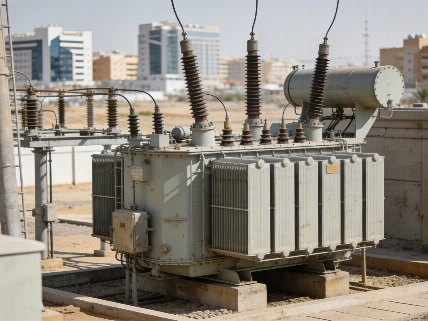
In addition to oil and gas, the agenda is expanding. The working group is now tasked with exploring joint ventures in petrochemistry, electric power, and renewable energy-areas where both countries see untapped potential. The first meeting of this working group is set to precede the full commission gathering, a sequencing that underscores the priority placed on energy as the engine of the relationship.
Strategic stakes for regional energy and trade
The timing is no accident. As global energy markets shift and regional players jockey for influence, both Azerbaijan and Algeria are seeking to diversify their partnerships and hedge against volatility. The commission's scope-trade, economic, scientific, and technical cooperation-reflects a recognition that energy integration can catalyze broader commercial and technological exchange. This approach mirrors moves by other regional actors, such as Libya's recent push for international health sector partnerships, as reported earlier.
For Algeria, deepening ties with Azerbaijan offers a route to new markets and technical expertise, while for Azerbaijan, Algeria represents a strategic partner in North Africa with shared interests in OPEC+ coordination and energy export diversification. The commission's success will hinge on whether these ambitions can be translated into binding agreements and operational projects, rather than remaining at the level of diplomatic choreography.
With the first working group meeting on energy now on the calendar and the full commission set for early 2027, the stage is set for both countries to move beyond rhetoric. If Baku and Algiers can deliver on their stated objectives, this partnership could reshape the regional energy landscape and set a new benchmark for state-driven economic diplomacy in the Maghreb and beyond. Anything less would expose the limits of summitry without substance.