
Morocco's Planning Minister Mohammed Al-Zaidani has accelerated the review of priority blue economy projects, aiming to align national marine resource development with the 2030 Agenda for Sustainable Development and unlock new economic sectors.
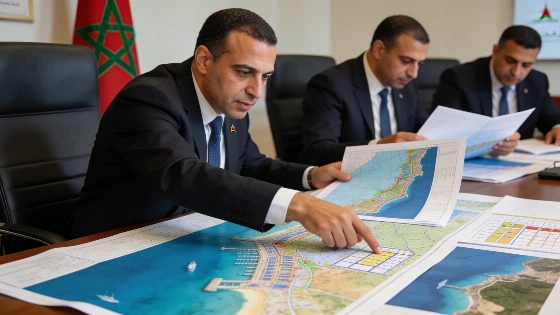
Morocco's ambitions for a sustainable marine economy took a decisive step as Planning Minister Mohammed Al-Zaidani convened the Higher Committee for the National Economic Diversification Framework to scrutinize the country's most critical blue economy initiatives. The meeting placed the spotlight on concrete projects designed to transform Morocco's marine resources into engines of economic growth and job creation-without sacrificing environmental integrity.
At the heart of the session was a detailed review of the National Blue Economy Strategy's development stages. The committee dissected how this roadmap could unlock new sectors, from fisheries and aquaculture to marine infrastructure, while ensuring that the exploitation of ocean assets does not come at the expense of future generations. The focus was not on abstract targets, but on actionable projects and sectoral reforms that could deliver measurable results.
Aligning with Global Sustainability Goals
The committee's agenda was tightly bound to the 2030 Agenda for Sustainable Development, with particular emphasis on Goal 14 (Life Underwater), Goal 8 (Decent Work and Economic Growth), and Goal 9 (Industry, Innovation and Infrastructure). Each initiative under review was measured against its potential to protect marine ecosystems, generate sustainable employment, and foster innovation in ocean-linked industries. The Ministry's position was unambiguous: the blue economy is not a slogan, but a framework for real economic diversification and environmental stewardship.
Officials made clear that the blue economy's success will depend on integrating sustainability into every stage of project planning and execution. This means not only developing new marine infrastructure, but also embedding resource protection and ecosystem preservation into the DNA of Morocco's economic model.
Strategic Stakes and Next Steps
The stakes are high. Morocco's ability to leverage its marine potential could redefine its economic landscape, reduce dependence on traditional sectors, and position the country as a regional leader in sustainable development. The committee's review signals a shift from rhetoric to implementation, with a clear mandate to deliver on both economic and environmental fronts.
Yet, the real test will be whether these initiatives move beyond committee rooms and strategy documents into tangible outcomes-new jobs, resilient marine sectors, and protected ecosystems. The Ministry's insistence on aligning with international standards is a necessary filter, but the credibility of Morocco's blue economy push will ultimately rest on execution, not aspiration. For now, the government has set the right tone: sustainable marine development is not optional, but essential for the country's future competitiveness and ecological security.