
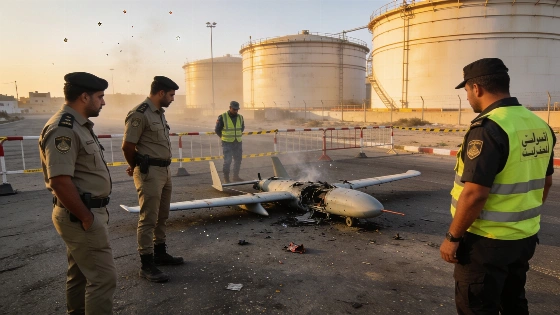
A drone crashed near Tripoli's Airport Road Fuel Depot, narrowly missing fuel tanks and causing no injuries or fire. The incident follows recent drone attacks on Zawia's oil infrastructure, intensifying concerns over the security of Libya's critical energy assets.
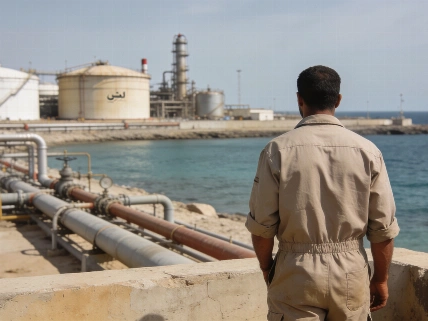
Libya's oil sector narrowly avoided disaster after a drone crashed at dawn near a fuel storage tank at the Airport Road Fuel Depot in Tripoli, a site operated by Brega Petroleum Marketing Company. The incident, which left no injuries, fire, or damage, has reignited urgent questions about the vulnerability of the country's strategic energy infrastructure.
Unlike last month's devastating drone strike on Zawia Oil Refinery-where an armed drone set a 17-million-litre diesel tank ablaze-this latest crash did not interrupt operations. Fuel distribution and supply at the Tripoli depot continue without disruption, according to Brega Petroleum Marketing Company. The company moved quickly to reassure the public, emphasizing that all scheduled orders for fuel stations are being fulfilled as normal.
Escalating Pattern: From Zawia to Tripoli
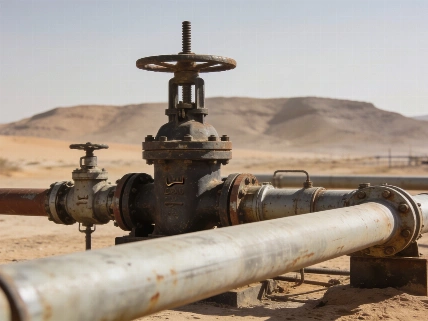
The timing and method of the Tripoli incident are impossible to ignore. Early images suggest the crashed drone was a fibre-optic type, closely resembling those used in the August attacks on Zawia's fuel depot, power station, and water desalination plant. In those cases, drones punctured tanks, triggered leaks, and in one instance, caused a catastrophic fire and tank collapse. The recurrence of such attacks-now in the capital-signals a dangerous escalation in tactics targeting Libya's vital oil and energy assets.
Brega Petroleum Marketing Company condemned the attack in the strongest terms, calling it a deliberate attempt to threaten national infrastructure. The company confirmed that specialized teams and security authorities responded immediately, securing the site and launching an investigation. The company's statement called for intensified protection of oil depots and demanded that authorities identify and prosecute those responsible.
Operational Continuity and Strategic Stakes
Despite the proximity of the crash to critical fuel storage, Brega Petroleum Marketing Company insists that the depot's workflow remains unaffected. The company praised the rapid response of security and military forces, underscoring the depot's role as a vital national asset. The safety of personnel and the uninterrupted supply of fuel are being treated as top priorities, with Brega pledging full cooperation with authorities to safeguard operations.
Yet the pattern is clear: Libya's oil infrastructure is now a recurring target for drone attacks, with the potential for catastrophic consequences if a strike were to breach a major tank or ignite a fire in a densely populated urban area. The fact that Tripoli's main fuel depot was penetrated by an unidentified drone-armed or not-exposes a glaring gap in airspace security and crisis prevention.
Libya's energy sector cannot afford complacency. The rapid succession of drone incidents, from Zawia to Tripoli, is a warning shot that the country's critical infrastructure remains exposed to asymmetric threats. Until authorities deliver credible deterrence and real accountability, every depot and refinery in Libya sits on a knife edge-one miscalculation away from disaster.