Local manufacturers meet more than 91% of Egypt's domestic pharmaceutical needs. The government is courting private capital to expand healthcare services and strengthen the country's regional profile.
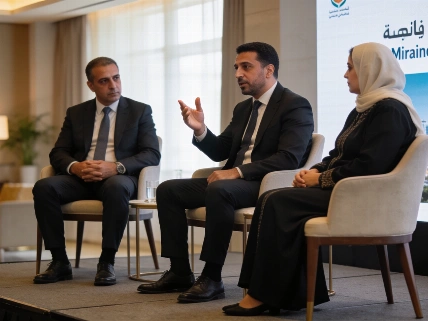
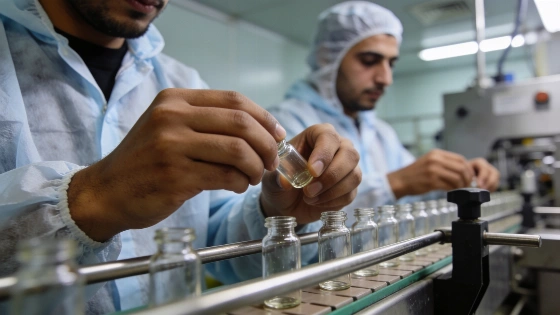
At a roundtable organized by the American Chamber of Commerce in Egypt, industry leaders and senior officials discussed healthcare and pharmaceuticals as the government seeks private investment to expand services. Health Minister Khaled Abdel Ghaffar said local production meets more than 91% of Egypt's domestic pharmaceutical market needs.
That figure measures the share of market demand met by local production; it does not show how much of the medicines' active ingredients are made in Egypt. Industry analysis has noted that medicines packaged or assembled locally can still depend on imported inputs, while domestic capacity for pharmaceutical raw materials and active ingredients remains limited. Abdel Ghaffar also pointed to private-sector involvement in managing healthcare facilities and providing services.
Local production and preventive care
Abdel Ghaffar described a gradual move from reactive treatment toward prevention, with more screening and early-detection programs. Egypt's "100 Million Healthy Lives" hepatitis C campaign screened more than 60 million people and treated over 4.5 million patients. The World Health Organization says hepatitis C prevalence fell from about 10% to below 0.38% over more than a decade. By 2023, Egypt had diagnosed 87% of people living with the disease and treated 93% of those diagnosed.
The WHO first recognized Egypt at Gold Tier on the path to hepatitis C elimination in October 2023 and has since confirmed that the country maintained the status. Prevalence among people aged 15-59 fell from 0.38% to 0.28%, while hepatitis C-related deaths dropped 54% compared with 2018. The WHO says the country has shifted from large-scale screening drives to routine testing, with diagnosis followed by treatment. Abdel Ghaffar also cited President Abdel Fattah El-Sisi's support for reducing hepatitis C infection rates.
Localizing pharmaceutical and vaccine production is part of the government's plan to widen access to medical services across all governorates. Abdel Ghaffar also described the Universal Health Insurance System as part of that effort. Separately, a healthcare network agreement between the Egypt Healthcare Authority and Limitless Care covers patient access and staff training.
Investment rules and digital procedures
Legislation governing private investment in healthcare infrastructure, alongside the Universal Health Insurance System, gives investors a secure and stable legislative structure, Abdel Ghaffar said. The ministry is accelerating digital change and automating paperwork for medical-facility licensing and pharmaceutical-product registration in coordination with the Egyptian Drug Authority.
The government wants a more predictable investment climate and less paperwork, the minister said. This could ease the introduction of advanced technologies and modern treatment solutions. He said Egypt's healthcare system had withstood ongoing regional challenges and crises. The government remains committed to removing barriers for domestic and foreign investors as it seeks a larger regional role in healthcare and medical tourism.
The WHO's account of Egypt's hepatitis C progress is available through its regional office. Industry reporting has also described continued reliance on imported pharmaceutical inputs alongside local packaging and assembly.