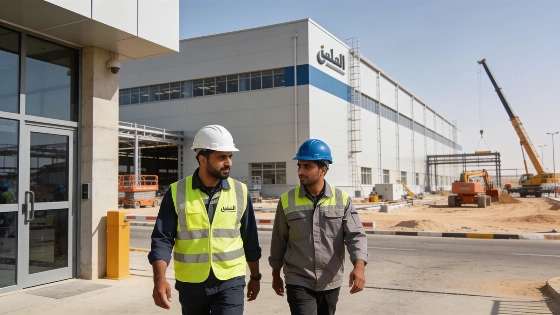
Egypt's government is promoting ten ready-to-operate industrial complexes in Upper Egypt, offering tax incentives and improved logistics. Workforce development is also part of the push to attract local and foreign investors and lead regional economic growth.
Egypt's Cabinet Media Centre has announced measures to strengthen Upper Egypt's position as a destination for industrial investment. The effort centres on ten new ready-to-operate industrial complexes, backed by improved logistics infrastructure and targeted investment incentives.
Officials say the initiatives form part of a broader strategy to achieve balanced and sustainable development across Upper Egypt's governorates. The strategy aims to use the region's economic and human resources to boost industrial activity and create jobs, while improving living standards. The factory-space offer is also paired with finance and business support: the Industrial Development Authority has separately offered 400 ready-to-operate units across ten governorates, with simplified licensing procedures and financial facilities. Eligible investors may also seek bank financing and support from the Micro, Small and Medium Enterprise Development Agency. That support includes subsidised financing for machinery and equipment, as well as production lines, alongside technical and marketing assistance, Ahram Online reported.
Incentives and Infrastructure to Lead Industrial Growth
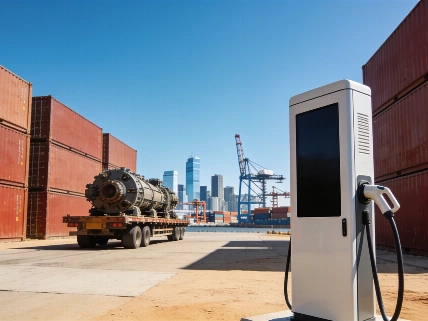
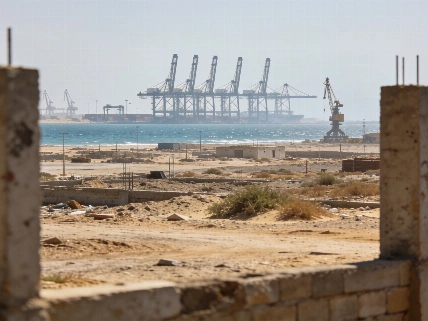
The Upper Egypt Development Authority, established in 2018, has completed 43 projects, with 20 more underway. The work focuses on infrastructure and industrial capacity. The region now has ten operational industrial complexes, and access to strategic ports at Safaga and Hurghada has improved. Access also extends to the Argeen land crossing.
To attract investors, the government is offering a tax deduction of up to 50% of investment costs and a reduced 2% customs duty on machinery and equipment. Customs exemptions also apply to certain imported production inputs. The tax deduction sits within the structure of Investment Law No. 72 of 2017: the headline 50% rate applies to qualifying projects in designated areas most in need of development. It is subject to statutory limits, including a maximum period of seven years and a ceiling linked to 80% of paid-in capital. The precise incentive depends on the project's location, activity and eligibility; it is not an unconditional benefit for every investor. The law's broader structure also provides a five-year exemption from stamp tax and notarisation fees on specified incorporation documents and credit contracts. Land-registration procedures are covered as well.
Industrial land is available at reduced prices or through usufruct arrangements, with exemptions lasting up to ten years. Additional incentives include financial support for exporters and expedited licensing. Workforce training programmes are also on offer. Egypt's General Authority for Investment and Free Zones presents investment opportunities through its official investment-map portal, which also provides information on investment and free-zone regimes.
Major Projects and Impact on Employment
Upper Egypt has recently attracted several major international projects. Samsung's $700 million electronics manufacturing complex in Beni Suef is one example. The Obelisk solar energy project in Qena involves EGP 30 billion in investment, while Yazaki has opened a €26.7 million automotive wiring harness factory in Fayoum. Other projects include a Nokia production line in partnership with SICO in Assiut and the Swiss Cotton Garments Company's $15.4 million factory in Beni Suef.
The government reports that these industrial development efforts have contributed to a impressive reduction in regional unemployment, with the rate falling from 12.3% in 2014 to 4.6% in 2025. Five technological universities in the region support the availability of skilled workers. They include Beni Suef Technological University and New Assiut Technological University.
What to Watch Next
With ongoing projects and further incentives planned, Upper Egypt's industrial sector is expected to continue expanding. The government's focus will likely remain on attracting additional foreign investment and completing infrastructure projects. It will also monitor the impact on employment and regional economic performance.