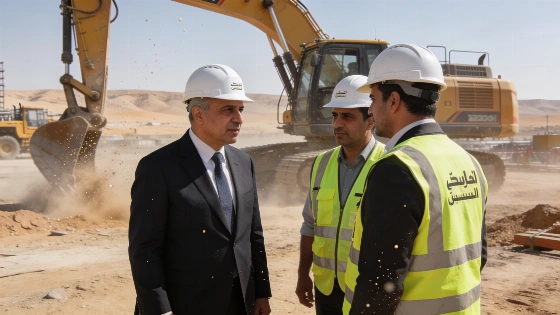
Egypt has begun construction of a $658m phosphoric acid complex in the New Valley Governorate, aiming to process local phosphate ore for export and generate foreign currency. The project marks a shift towards higher-value mineral processing.
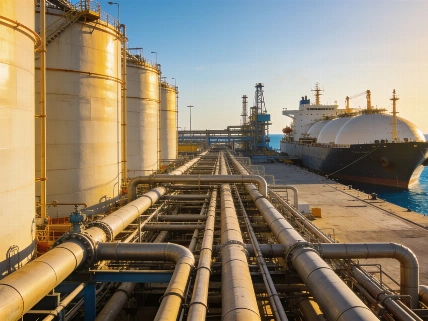
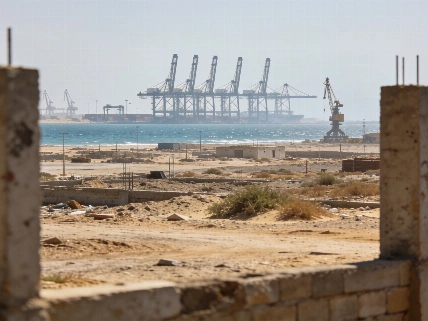
Egyptian authorities have begun building a $658 million industrial complex to produce phosphoric acid from phosphate ore at the Abu Tartour plateau in the New Valley Governorate. Construction started on 19 August 2026, information from Ecofin Agency’s project coverage. The facility is designed to process 250,000 tonnes a year of highly concentrated commercial phosphoric acid, a basic input for fertiliser production, with output intended for export through the Red Sea port of Safaga.
China State Construction Engineering Corporation (CSCEC) and ECEC are carrying out the project, with construction scheduled to take 30 months. The Ministry of Petroleum and Mineral Resources expects the complex to create more than 3,000 direct and indirect jobs and bring Egypt foreign-currency earnings from mineral exports. State-owned Misr Phosphate holds a 25 per cent stake.
Strategic shift in Egypt’s mining sector
Minister of Petroleum and Mineral Resources Karim Badawi has described the complex as a strategic move away from raw-material extraction towards value-added mineral processing. The project faced years of delays before reaching the implementation stage. The government’s wider policy is to direct phosphate towards “high-yield industries instead of exporting it as raw material”.
Badawi also pointed to recent reforms, including the change of the Mineral Resources and Mining Industries Authority into an economic authority with a cross-government board. The changes aim to simplify procedures and reduce investment risk, while making the mining sector more competitive. The Ministry’s mineral-resources portal lists General Bid Round No. 1 of 2024 for exploration of ores and associated minerals, part of a formal licensing programme to expand exploration. The Ministry’s bid-round information sets out the regulatory context for investment in mineral resources.
Abu Tartour is part of a wider push to process phosphate domestically and develop export-oriented acid and fertiliser production. A proposed Fertiglobe complex in Ain Sokhna, valued at more than $1.5 billion, is under assessment as an integrated phosphate and fertiliser project, with phosphoric-acid production. Securing long-term phosphate-rock supplies is a basic requirement for that assessment. It also considers how the facility could connect with Egypt’s ammonia and industrial infrastructure.
Regional impact and future mining plans
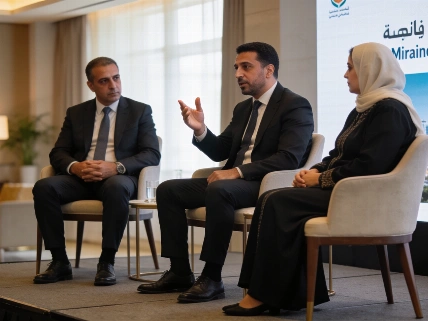
New Valley Governor Hanan Magdy said the phosphoric-acid project strengthens the region’s role as a hub for mining-based industries. The governorate and the petroleum ministry are developing a five-year vision for the region’s mining sector. During the site visit, Egyptian private-sector companies presented proposals for further integrated facilities. One would combine phosphate extraction and fertiliser production with rare-earth-element exploitation in Abu Tartour; another would focus on exploration and processing in the Dakhla area.
The delegation also inspected Crusher No. 8, operated by Misr Phosphate. The company’s chairperson, Nasser Shaheen, said Misr Phosphate is Egypt’s largest phosphate producer, with annual capacity of 7 million tonnes at sites in Abu Tartour, Sibaiya and the Red Sea. He added that the company is developing a separate 600,000-tonne-a-year phosphate fertiliser complex in Ain Sokhna with Indorama. EnterpriseAM has reported that the $525 million project is designed to produce diammonium phosphate (DAP) and monoammonium phosphate (MAP), with 80 per cent of output intended for export.
The planned Ain Sokhna development illustrates the range of investments under consideration, from Abu Tartour’s phosphoric-acid production to integrated fertiliser manufacturing. Other phosphate-processing proposals have been identified in the Golden Triangle Economic Zone and Upper Egypt. Together, the projects reflect Egypt’s effort to capture more value from phosphate before shipment abroad, while expanding the exploration and supply base needed to support processing plants over the long term.