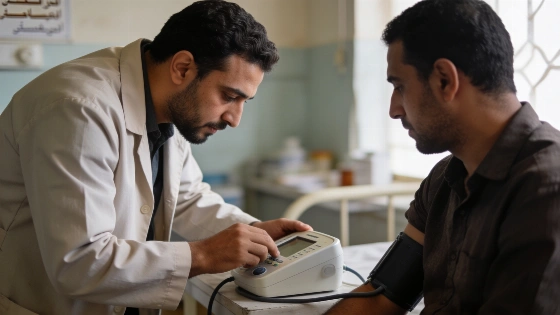
Egypt has screened more than 62 million people for hepatitis C and treated over four million diagnosed patients, while public health spending has risen nearly twelvefold since 2014, Health Minister Khaled Abdel Ghaffar said.
Egypt's university hospitals have grown from 88 to more than 153, Health and Population Minister Khaled Abdel Ghaffar said, as the government expands services nationwide.
National health initiatives launched in 2018 have benefited 95 million people and delivered nearly 303 million medical services, he said. Egypt's hepatitis C programme screened more than 62 million people and diagnosed and treated more than four million, according to the minister. In 2023, Egypt became the first country to receive the World Health Organization's gold-tier certification for progress towards eliminating the disease.
Screening and mortality indicators
The minister reported a decline of more than 71% in deaths from viral hepatitis. He also cited a 13% drop in diabetes-related deaths and a 15% drop in breast cancer deaths.
The initiatives are part of a wider health-reform effort. It combines screening and prevention with expanded insurance coverage and investment in service delivery. Abdel Ghaffar said the presidential initiatives had reached 95 million people and delivered nearly 303 million medical services.
Spending and insurance rollout
Government healthcare spending has risen nearly twelvefold since 2014, Abdel Ghaffar said. Total expenditure reached approximately EGP 2 trillion over the past 12 years.
Egypt's Universal Health Insurance system was established under Law No. 2 of 2018 as a mandatory, family-based social-solidarity scheme. The law divides the national rollout into six phases and assigns separate roles to the Universal Health Insurance Authority, the Healthcare Authority and the General Authority for Healthcare Accreditation and Regulation. The rollout is designed to proceed governorate by governorate, rather than begin nationwide at once, as outlined in the UHI framework.
The first phase is complete in six governorates, and authorities are preparing a second phase covering six more. Health Minister Khaled Abdel Ghaffar said completing the first two phases is expected to bring the number of beneficiaries to more than 25 million. Reporting on the programme put the first six governorates' beneficiary count at 4.6 million when coverage expanded to Aswan and Suez at the start of fiscal year 2024-2025.
The Ministry of Finance has paid EGP 2.8 billion in contributions for people unable to pay, while the system's reserves were reported at approximately EGP 120.7 billion. According to SceneNow's account of the expansion, coverage includes family healthcare for diseases and surgery, plus laboratory testing and radiology. It also includes cancer treatment, organ transplants and prostheses, as well as visual and hearing aids, dental care and therapeutic foods.
A separate cooperation agreement signed on October 12, 2026, between Egypt Healthcare Authority and Limitless Care addressed patient access and staff training. The published account said the launch timing and investment terms were not disclosed.
Facilities and workforce development
Egypt's healthcare system includes around 1,800 hospitals and 5,400 primary healthcare facilities, the minister said. He said better services require modern hospitals and equipped medical centres, backed by stronger primary care and ongoing professional training. Independent commentary has also cited hospital-bed availability and persistent differences in service quality between governorates as challenges for the system.
Abdel Ghaffar said the president had monitored the Armed Forces College of Medicine's development since its establishment was approved in 2013. At the college's third medical conference, attended by Abdel Fattah El Sisi, he said El-Sisi follows developments in medical education and student training, along with work in specialized laboratories and teaching facilities.
The minister also cited the Egyptian Health Council and the Egyptian Drug Authority as parts of the healthcare regulatory framework, alongside institutions responsible for universal health insurance. He said continued investment in medical training and scientific research, along with healthcare infrastructure, was essential to improving services.