
Libya's Janzour Fuel Depot has entered a state of emergency after suspected drone-related fibre-optic remnants were discovered on site. Security has been reinforced and special forces deployed, raising concerns over the vulnerability of critical energy infrastructure.
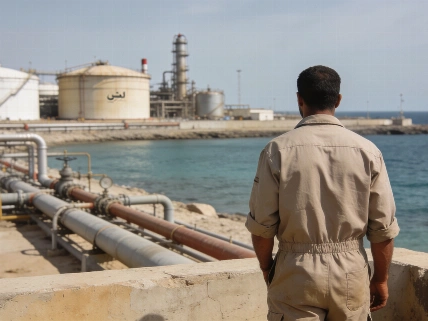
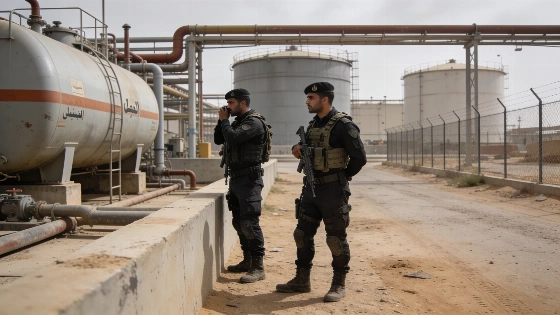
Libya's energy sector was jolted into high alert after the discovery of suspected drone-related fibre-optic remnants at the Brega Petroleum Marketing Company's Janzour Fuel Depot, a strategic facility just west of Tripoli. The immediate response: a state of emergency, rapid deployment of Petroleum Facilities Guard special forces, and a sweeping upgrade of on-site security protocols.
This escalation did not come from an official company or government statement, but from Meelad Alhajarisi, a Brega board member, who moved quickly to the scene with relevant authorities. His account made clear that the threat was taken seriously at the highest operational levels, with the workforce reassured and the site placed under maximum readiness for any further incident.
Drone Threats Target Libyan Energy Infrastructure
The Janzour incident is not an isolated event. In recent months, Libya's fuel depots and critical infrastructure have faced a string of drone attacks. August saw a strike on Brega's Airport Road Fuel Depot in Tripoli, while Zawia's Fuel Depot, Water Desalination Plant, and Power Station have all been targeted. The pattern is unmistakable: key energy and utility assets are now in the crosshairs, exposing the country's fragile security environment and the persistent risk to its economic lifelines.
Janzour's location-on the main coastal road to the Tunisian border-only heightens the strategic stakes. Any disruption here would ripple through fuel supply chains and potentially destabilise the broader Tripoli region.
Security Response and Operational Impact
Following the discovery, the Petroleum Facilities Guard was mobilised to reinforce the depot's defences. According to Alhajarisi, the site's security posture was elevated to its highest level, with contingency plans activated to protect both personnel and infrastructure. The move is a direct response to the growing sophistication of threats facing Libya's oil and gas sector, where drone technology is now a proven vector for sabotage and disruption.
While the National Oil Corporation and Brega Petroleum Marketing Company have yet to issue formal statements, the rapid intervention signals a recognition that Libya's energy infrastructure remains acutely vulnerable. The absence of official communication from top-level institutions is itself telling-either a sign of internal caution or a reluctance to publicise the scale of the threat.
Libya's fuel supply chain cannot afford further shocks. Each attack or credible threat not only endangers physical assets but also undermines investor confidence and the operational stability of the sector. The deployment of special forces at Janzour is a necessary, if reactive, measure-but it does not address the underlying gaps in national security coordination or the persistent risk of escalation.
What emerges from this episode is a stark reality: Libya's critical energy infrastructure is being tested by new forms of asymmetric threat, and the institutional response remains fragmented. Until the National Oil Corporation and state authorities move beyond ad hoc crisis management and establish a unified, proactive security doctrine, the country's most vital assets will remain exposed to the next attack. The Janzour emergency is not just a local incident-it is a warning shot for the entire Libyan energy system.