Germany's foreign minister has identified Algeria as a key strategic partner for Berlin, with new agreements on natural gas, green hydrogen, and security cooperation set to reshape energy flows and regional stability.
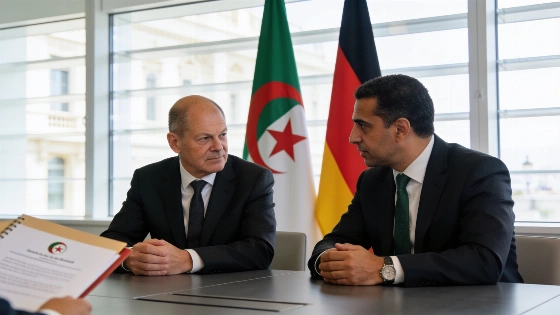
Germany is intensifying its partnership with Algeria, positioning the North African country as a central player in Berlin's energy and security strategy. Ahead of a diplomatic visit to Tunis and Algiers, German Federal Foreign Minister Johann Wadephul described Algeria as a strategic partner, highlighting its growing importance for both energy supply and regional security.
Wadephul's remarks, released by the German foreign ministry, underscore a shift in European energy dynamics since 2022, with Algeria emerging as a critical supplier to the European Union.
Algerian Gas Gains Strategic Weight in Europe
Algeria's role as a major natural gas supplier to the EU has expanded rapidly following the reconfiguration of European energy flows. German utility VNG, previously reliant on Russian gas, has elevated Sonatrach to a leading position in its supply portfolio, alongside Norway. This trend accelerated with a recent agreement, signed during the Algerian president's visit to Berlin, to increase gas volumes to Germany starting January 2027.
The growing reliance on Algerian gas reflects broader European efforts to diversify away from Russian energy. As highlighted in a recent analysis of Algeria's shifting trade landscape, these changes are reshaping the country's economic relationships with key partners.
Green Hydrogen and Energy Transition Shape Next Phase
Looking beyond natural gas, Wadephul emphasized Algeria's potential as a future supplier of green hydrogen, citing the Sahara's solar resources and proximity to Europe. German officials have been in talks with Algerian counterparts to accelerate cooperation on clean energy and low-carbon technologies. A joint commitment was made in July to deepen collaboration on energy security and sector transformation, signaling a long-term shift in the bilateral agenda.
Economic and Security Cooperation Expands
Wadephul's delegation includes German business leaders, with economic meetings planned in both Tunis and Algiers. The aim is to move beyond a simple supplier-client relationship, building on a bilateral business council and a revived joint economic commission. This approach seeks to open new avenues for investment and industrial cooperation.
Security is equally prominent in the agenda. With instability persisting in the Sahel, Germany is seeking closer alignment with Algeria and Tunisia to promote durable stability in the region. Wadephul acknowledged Algeria's recognized expertise in Sahel security and noted intensified exchanges between the countries' foreign ministries.
Mediterranean as a Strategic Bridge
The visit follows Algerian President Abdelmadjid Tebboune's recent trip to Berlin and is intended to sustain the momentum of high-level contacts. Wadephul articulated a vision of the Mediterranean as a zone of shared power linking Europe and North Africa, suggesting that the Algeria-Germany partnership now extends well beyond energy trade to encompass broader economic and security interests.