
Istiqlal enters Morocco's coalition talks with 65 parliamentary seats and strong southern networks. But turnout fell to 38.08%, raising a basic question: can the party turn government influence into economic gains people can see and help restore public confidence?
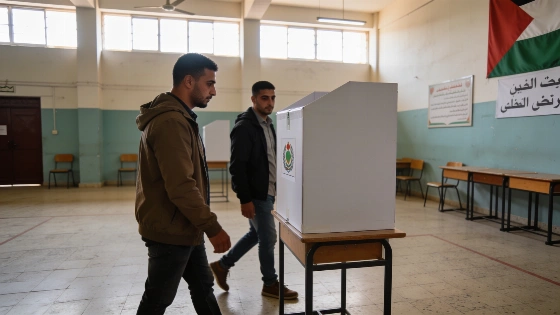
On September 23, 2026, 38.08% of Morocco's 15.8 million registered voters took part in the election, down from about 50% in 2021. Reuters reported the turnout alongside the new parliamentary balance: the Party of Authenticity and Modernity (PAM) won 97 of the 395 seats, the National Rally of Independents (RNI) 66, and Istiqlal 65. The gap is stark.
At its National Council meeting, Istiqlal's leaders cited more than 1.5 million votes across local and regional contests. They also pointed to the party's continuing strength in the Southern Provinces, where Moulay Hamdi Ould Errachid holds influence. Secretary-General Nizar Baraka tied the party's standing in the southern provinces to turnout of about 75% there and to its record, including its work in the previous government. Those networks endure. But they do not answer the wider question of whether people trust elected institutions.
On October 3, the National Council unanimously authorized Baraka to negotiate Istiqlal's possible participation in the new government. The party's governing bodies will make the final decision. Le Matin's account described the mandate as authority to negotiate, not a settled coalition agreement. Baraka has said the government's programme must reflect commitments in Istiqlal's election programme. He called them a political and moral obligation to voters, as Medi1News reported.
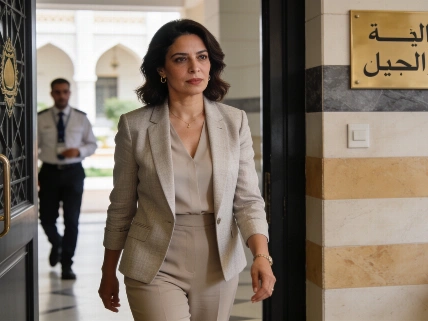
King Mohammed VI appointed Fatima-Zahra El Mansouri as Morocco's first woman prime minister on September 29, according to Reuters' election report. The appointment is historic. The coalition talks, though, will turn on parliamentary arithmetic and policy priorities. PAM finished first, and no party holds a majority. Istiqlal's 65 seats give it potential bargaining power, but its participation is not assured. That remains unsettled.
Those priorities tie political legitimacy to everyday pressures: jobs, social mobility, education and purchasing power. Across the Maghreb, governments face the challenge of linking economic development and regional integration to opportunities people can see. In Morocco, Istiqlal can push for measurable commitments on employment and public services rather than broad promises. Any programme will also have to match those goals with the resources available to carry them out. Promises need proof.
Morocco's partners have practical interests in the country's domestic resilience. European governments work with Rabat on migration and security. Businesses see Morocco as a link between European markets and Africa. African states engage with the country as an economic, diplomatic and financial actor. These ties, alongside infrastructure and industrial ambitions, make predictable policy important to investors. They cannot replace public confidence at home.
A government may keep the economy stable and pursue major infrastructure projects. But younger citizens who see little link between politics and their economic prospects can weaken the public support those plans need. Moroccans abroad matter, too. Millions maintain close family, social and economic links with Europe and elsewhere, and their experiences feed into debate at home. The coalition will be judged not only on its ability to sustain cooperation abroad, but on whether its decisions address household concerns.
Istiqlal's history gives it standing, not a guarantee of relevance. The party should be judged on whether it turns coalition leverage into policies citizens can feel. Without that link, influence in government will not resolve the legitimacy problem reflected in the fall in turnout. Morocco's stability will depend not only on how leaders negotiate power in Rabat, but on whether people believe politics can improve their future.